

Introduction
You’ve prepared for months, practiced grammar, and memorized vocabulary. But when the IELTS examiner smiles and asks the first question, your mind goes blank. Sounds familiar? Don’t worry you’re not alone. The IELTS Speaking test can feel intimidating, but with the right strategies you can walk in with confidence and walk out with the score you need for your study abroad dream.
Why This Matters for International Students
The IELTS Speaking test isn’t just about grammar or big words. It’s about showing you can communicate naturally, confidently, and clearly in English. Universities abroad want students who can engage in conversations, share ideas and adapt in classrooms and social settings. A strong IELTS Speaking score proves you’re ready for student life in countries like the UK, Canada, Australia or Germany.
Understanding the IELTS Speaking Test
Before diving into tips let’s break down the test:
Part 1: Introduction & Interview (4–5 mins) General questions about yourself (hobbies, family, studies, hometown).
Part 2: Cue Card (3–4 mins) you get a topic card, one minute to prepare, and then speak for up to two minutes.
Part 3: Discussion (4–5 mins) more abstract, opinion-based questions related to Part 2.
Knowing this structure helps you prepare smarter.
Proven Tips to Ace the Speaking Test
1. Speak Naturally, Not Perfectly
Many students worry about making mistakes. But IELTS examiners don’t expect perfection they want fluency. Instead of pausing to find fancy words focus on speaking smoothly. Example: If you forget the word “spectacular” say “very beautiful” instead.
2. Expand Your Answers
Don’t just say “Yes” or “No.” Add details. If the examiner asks, Do you like reading? Don’t stop at “Yes, I do.” Instead, say, “Yes, I enjoy reading novels especially mystery stories because they help me relax after studying.”
3. Practice the Cue Card Wisely
When given a cue card, structure your answer:
- Introduction: briefly starts the topic.
- Details: Add examples, reasons, or short stories.
- Closing: Summarize naturally.
Use your one-minute prep time to jot down keywords, not full sentences.
4. Work on Pronunciation and Intonation
Clear pronunciation matters more than a “perfect accent.” Speak at a steady pace and use natural intonation. Recording yourself while practicing can help you identify areas to improve.
5. Handle Nerves like a Pro
It’s normal to feel nervous. Take a deep breath before answering. If you don’t understand a question, politely ask: “Could you please repeat that?” or “Do you mean…?” This shows confidence rather than weakness.
Practical Action Steps for Students
- Record daily 2–3 minute voice notes on random topics.
- Practice with friends or join online speaking clubs.
- Watch English shows or YouTube interviews to learn natural phrases.
- Simulate a full test with a timer before exam day.
- Focus on fluency and communication not just memorized answers.
Conclusion
The IELTS Speaking test isn’t a barrier it’s your chance to show you can thrive in an English-speaking environment. With practice, confidence and the right strategies you can succeed. Remember, it’s not about sounding like a native speaker it’s about being you clearly and confidently.
Call to Action
Want personalized guidance for IELTS preparation? Letstern offers mock interviews, expert coaching and a supportive student community. Join us today and take your study abroad journey one step closer to success.
Meta Description
Boost your IELTS Speaking score with proven tips and strategies. Learn how to speak naturally, handle cue cards, and ace your study abroad dreams.
Suggested Titles
1. How to Ace the IELTS Speaking Test: Expert Tips for Study Abroad Success
2. IELTS Speaking Made Easy: Proven Strategies for International Students
3. Master the IELTS Speaking Test: Practical Tips That Work
4. From Nervous to Confident: IELTS Speaking Success Guide
5. IELTS Speaking Preparation: How to Impress the Examiner
Key Takeaways (for social media)
1. IELTS Speaking is about fluency not perfection.
2. Expand your answers details impress examiners.
3. Structure cue card responses with intro, details and closing.
4. Pronunciation matters more than accent.
5. Confidence comes with practice, not memorization.
Related articles
More from Tips - How to do Things? and recent posts.
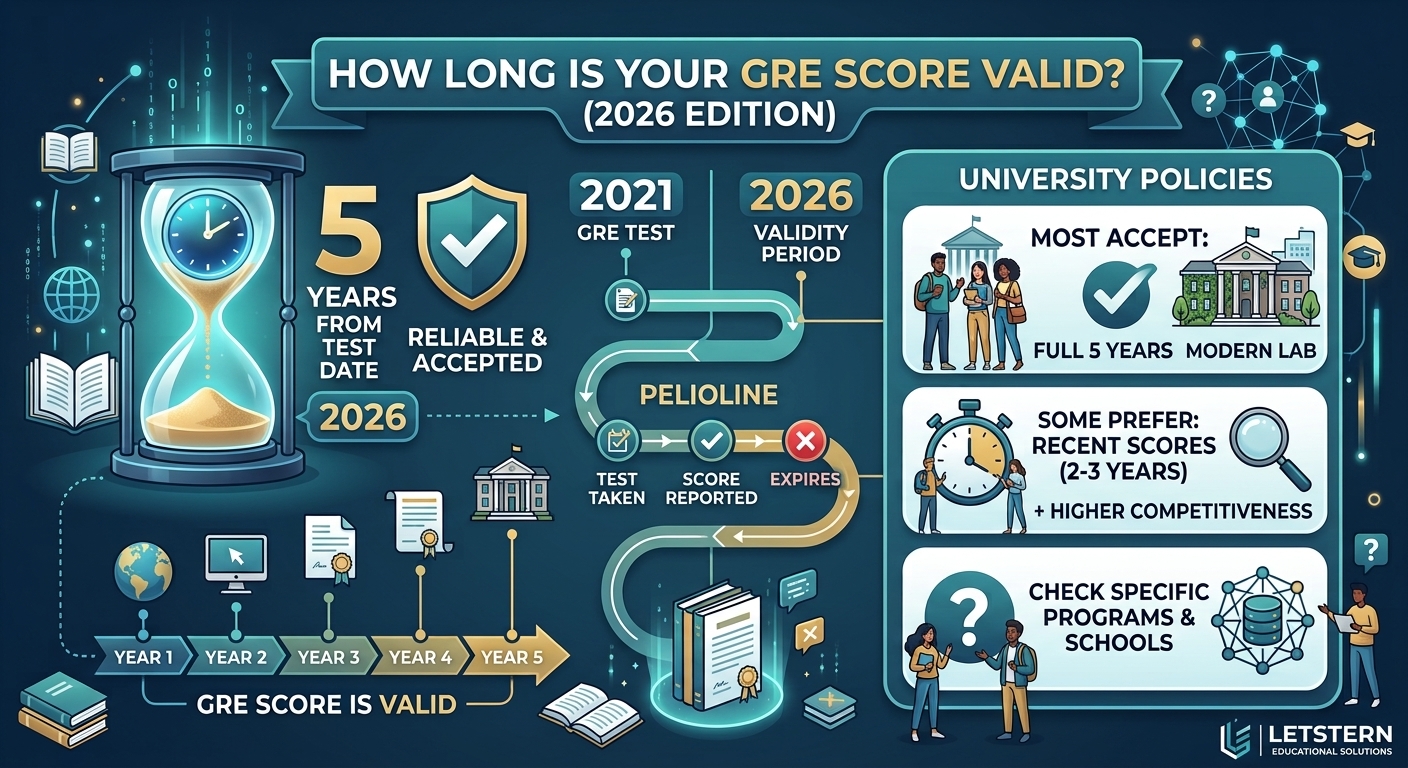
How Long GRE Score Is Valid (2026) | 5-Year Rule & University Policies
If you're planning to apply for graduate school abroad, one of the most important details to track is your GRE score validity. Many students assume their score…
Read article →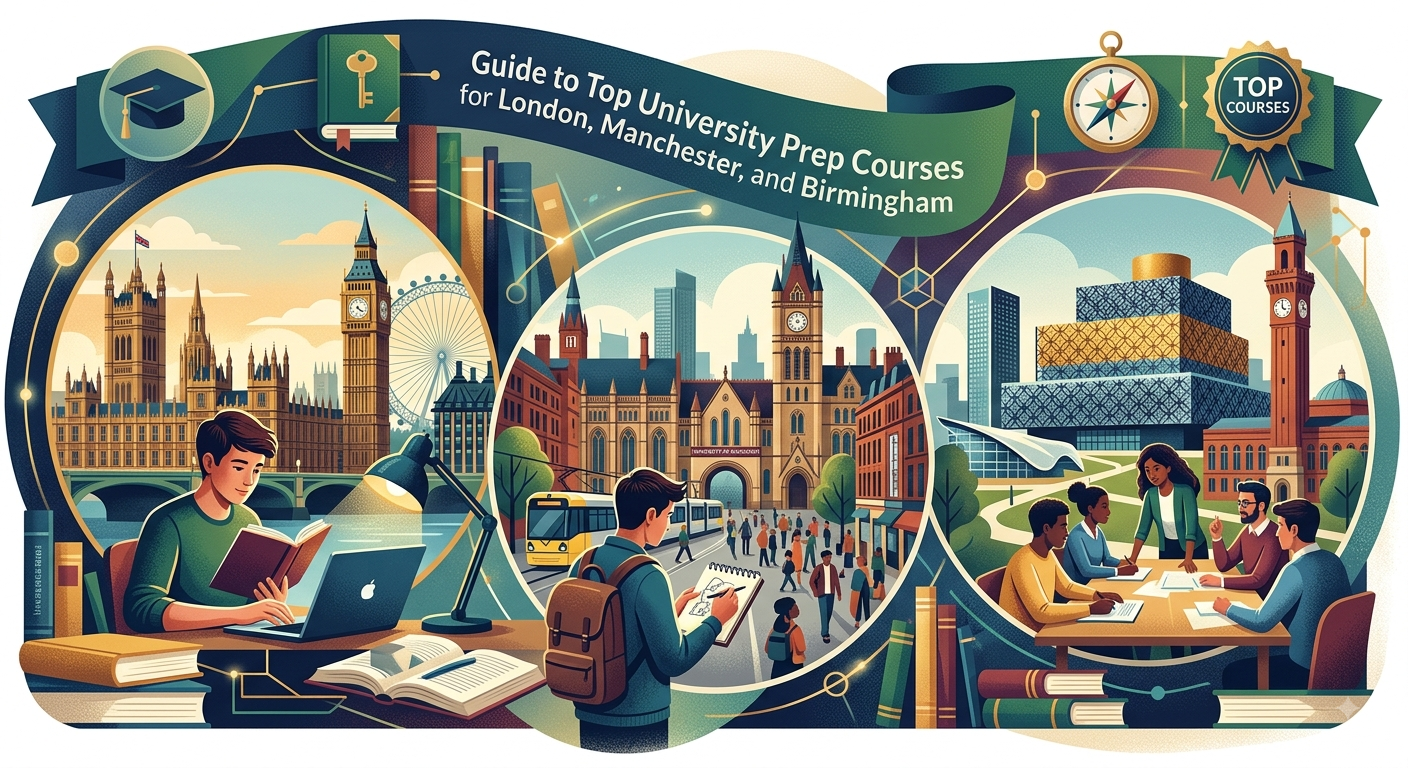
Top University Prep Courses in London, Manchester & Birmingham 2026
Dreaming of studying at a UK university but unsure if your qualifications or English skills are ready? University preparation courses—including foundation ye…
Read article →
DAAD Scholarship: Your Gateway to Studying in Germany
DAAD Scholarship: Your Gateway to Studying in GermanyDreaming of studying in Germany, home to some of the world's most prestigious universities and a thriving…
Read article →