
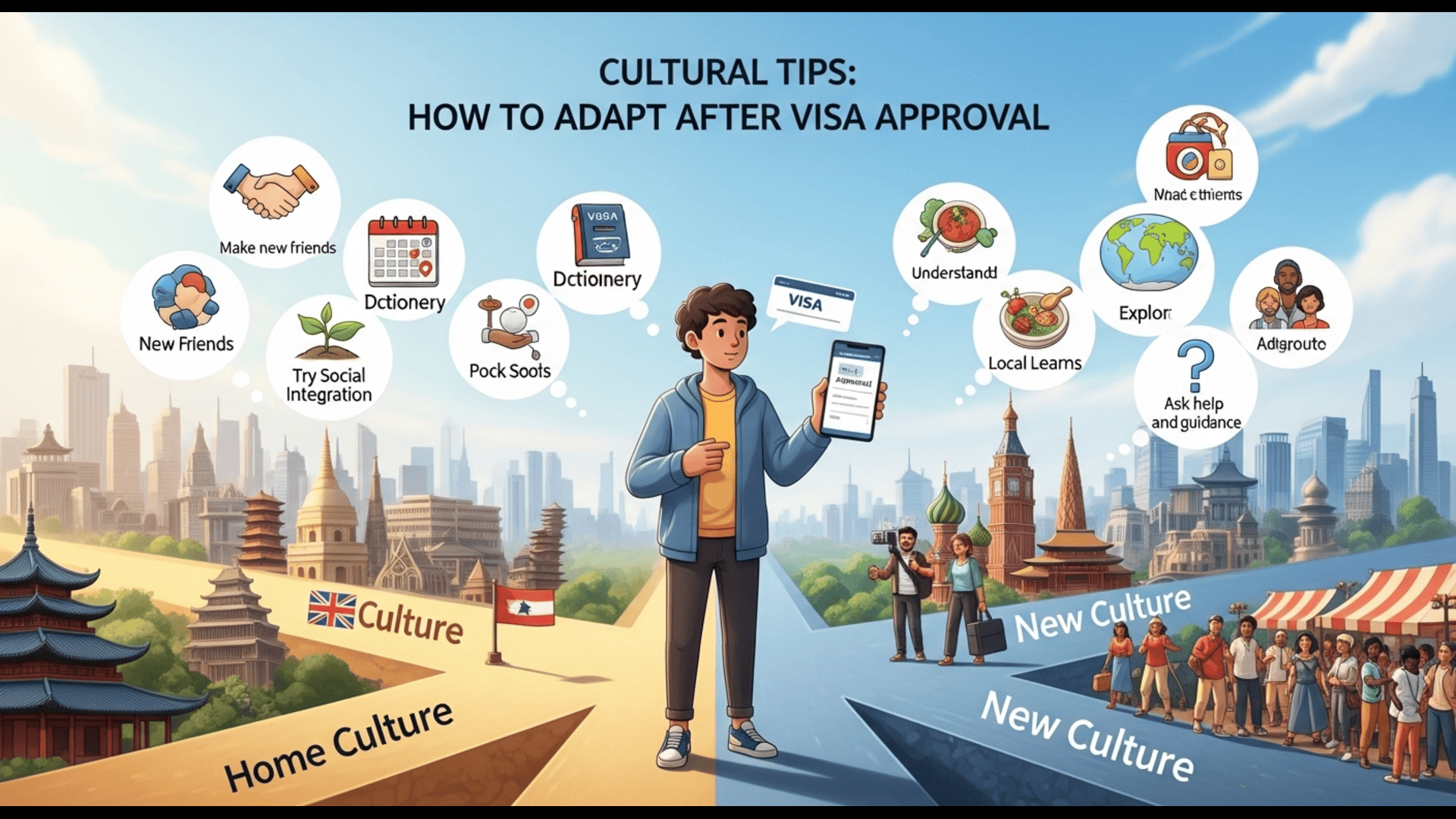
Introduction
Your visa is finally approved what a relief! Months of preparing documents, facing interviews, and waiting anxiously have paid off. But once the excitement fades, a new question often arises: What will life really be like in a new country?
For many international students, moving abroad is more than just attending classes it’s about learning how to live in a new culture. From food and language to social norms and daily habits, everything feels fresh, sometimes even overwhelming. The good news? With the right mindset and preparation, adapting to a new culture can be an exciting journey that shapes your personal and professional growth.
Why Cultural Adaptation Matters
Studying abroad isn’t only about education it’s about transformation. How well you adapt to your new cultural environment directly affects your student life, academic success, and overall happiness. Students who adjust smoothly usually:
- Build stronger friendships with locals and peers.
- Feel less homesick and more confident.
- Perform better academically because they are less stressed.
- Take full advantage of opportunities their host country offers.
So, preparing for cultural adjustment after visa approval is just as important as preparing your documents.
1. Understanding Culture Shock
Most international students experience culture shock in stages. At first, everything feels exciting the food, the people, the city life. But after a few weeks, differences may feel stressful. You might miss home, struggle with language, or feel left out in conversations.
The key is to understand this is normal. Culture shock is not a failure it’s a natural part of the adjustment process. Over time, you will find balance and create a “second home” abroad.
Example: A Pakistani student in Germany might first love the efficient transport system but later feel uncomfortable with the very direct way locals speak. Knowing this difference in communication style is cultural not personal helps students adapt faster.
2. Learn the Local Language (Even Basics Help)
Even if your classes are in English, learning a few phrases in the local language shows respect and makes daily life easier. Simple greetings, thanking someone, or asking for directions can break barriers. Locals often appreciate the effort, and it helps you connect more deeply.
Tip: Download language-learning apps before traveling, or join free university conversation clubs once you arrive.
3. Respect Cultural Norms and Etiquette
Every country has its unspoken rules. In Japan, silence in public transport is expected, while in the US, small talk with strangers is normal. Understanding such norms avoids awkward situations and helps you integrate smoothly.
Action Step: Before traveling, research daily habits like tipping culture, dress codes, or dining manners. Observe locals and adapt gradually.
4. Balance between Your Culture and New One
Adjusting doesn’t mean forgetting your own culture. It’s about balance. Celebrate your traditions, cook your home food, and stay connected with family. At the same time, remain open to trying new things festivals, local food, or cultural events.
Real-life insight: Many international student clubs organize “cultural nights” where you can share your own traditions while learning about others. It’s a safe space to feel proud of your background while embracing diversity.
5. Build a Support Network
Adapting is easier when you’re not alone. Join student organizations, community groups, or alumni networks. Surrounding yourself with supportive peers both local and international gives you comfort and guidance.
Tip: Don’t hesitate to ask questions. Whether it’s about opening a bank account, finding halal food, or understanding academic rules, most people are happy to help.
Practical Tips for Students
- Be patient adjustment takes time.
- Keep an open mind differences are opportunities to grow.
- Journal your experiences it helps track your progress.
- Stay active exploring your city reduces homesickness.
- Reach out universities often have international student offices for support.
Conclusion
Adapting to a new culture after visa approval is one of the most valuable life lessons you will gain during your study abroad journey. It’s not always easy, but every challenge brings growth. Remember, the goal isn’t to become someone else it’s to expand your perspective while staying true to yourself.
With patience, curiosity, and the right strategies, you’ll soon find yourself thriving in your new environment.
Call to Action
At Letstern, we understand the challenges students face after visa approval. That’s why we offer resources like mock interviews, cultural coaching, and supportive student communities. Whether you need guidance before departure or support after arrival, Letstern is here to make your study abroad journey smoother. Explore our coaching programs and join our global community today.
Meta Description
Visa approved? Now comes the real journey! Learn practical cultural tips to adapt smoothly abroad, reduce culture shock, and thrive as an international student.
Suggested Blog Titles
1. Cultural Tips for Students: How to Adapt After Visa Approval
2. Thriving Abroad: Adjusting to Life after Your Visa Is Approved
3. Culture Shock to Confidence: Student Tips for Adapting Abroad
4. Life after Visa Approval: Essential Cultural Advice for Students
5. Study Abroad Success: How to Adjust to a New Culture
Key Takeaways (for social media)
1. Culture shock is normal—patience and openness help you adapt.
2. Learning basic local phrases makes daily life much easier.
3. Respecting cultural norms builds better relationships abroad.
4. Balancing your traditions with new experiences enriches your journey.
5. A strong support network is key to successful cultural adjustment.
Related articles
More from Tips - How to do Things? and recent posts.
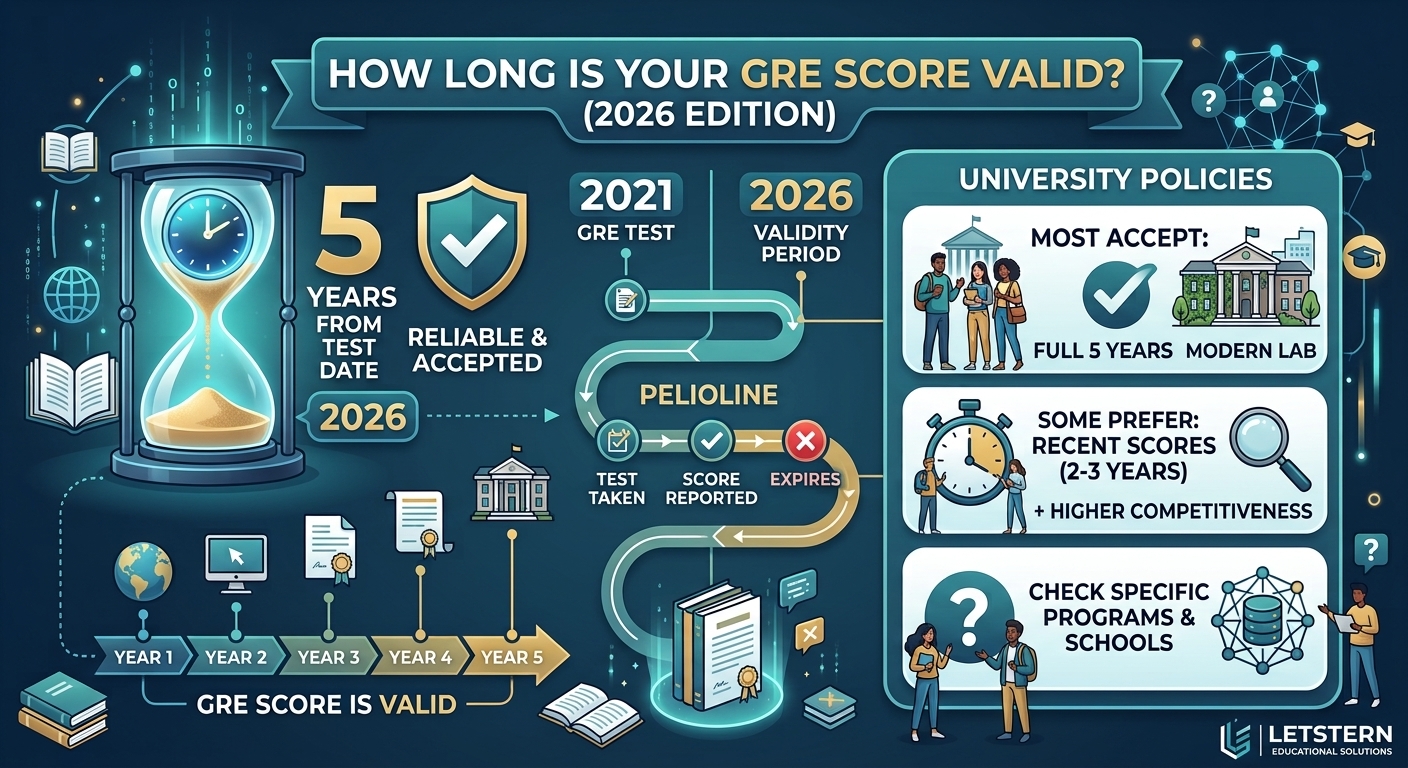
How Long GRE Score Is Valid (2026) | 5-Year Rule & University Policies
If you're planning to apply for graduate school abroad, one of the most important details to track is your GRE score validity. Many students assume their score…
Read article →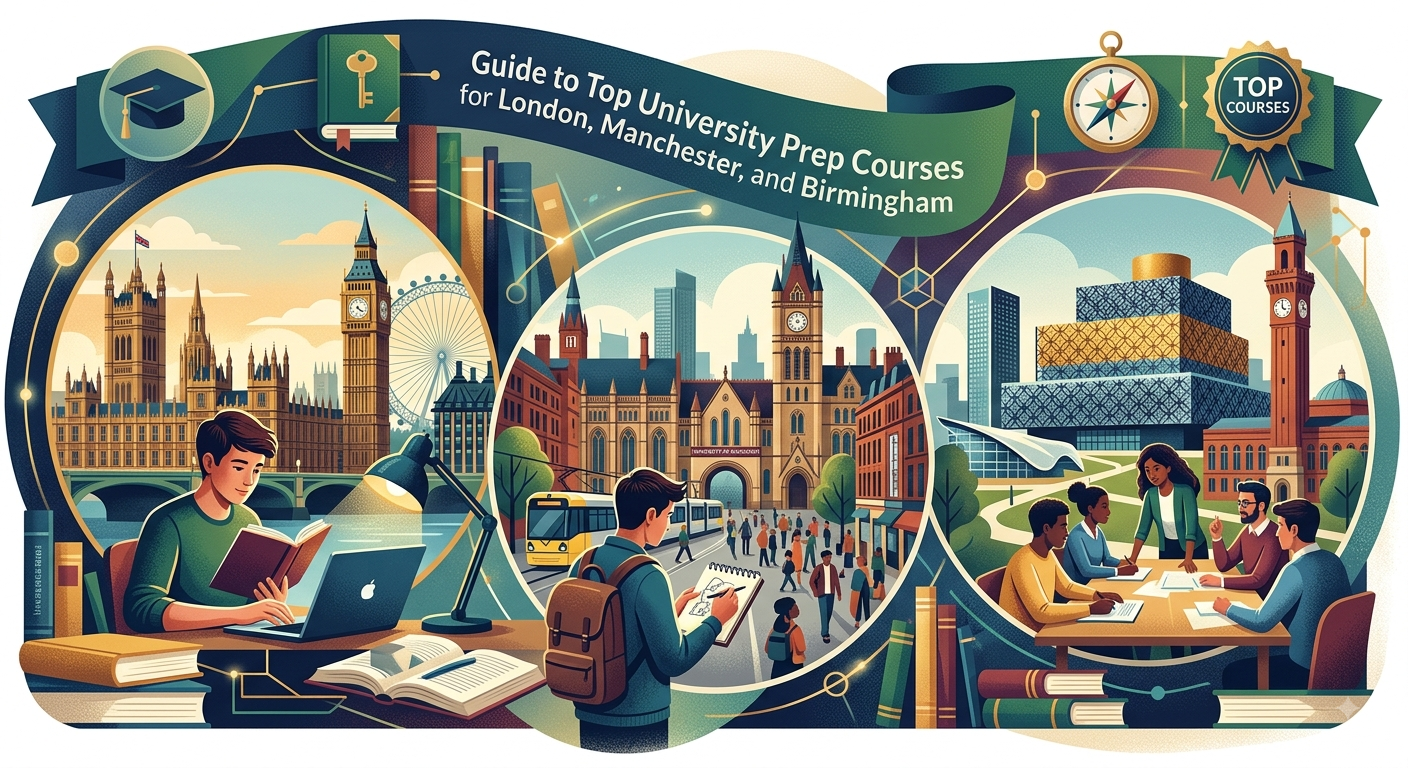
Top University Prep Courses in London, Manchester & Birmingham 2026
Dreaming of studying at a UK university but unsure if your qualifications or English skills are ready? University preparation courses—including foundation ye…
Read article →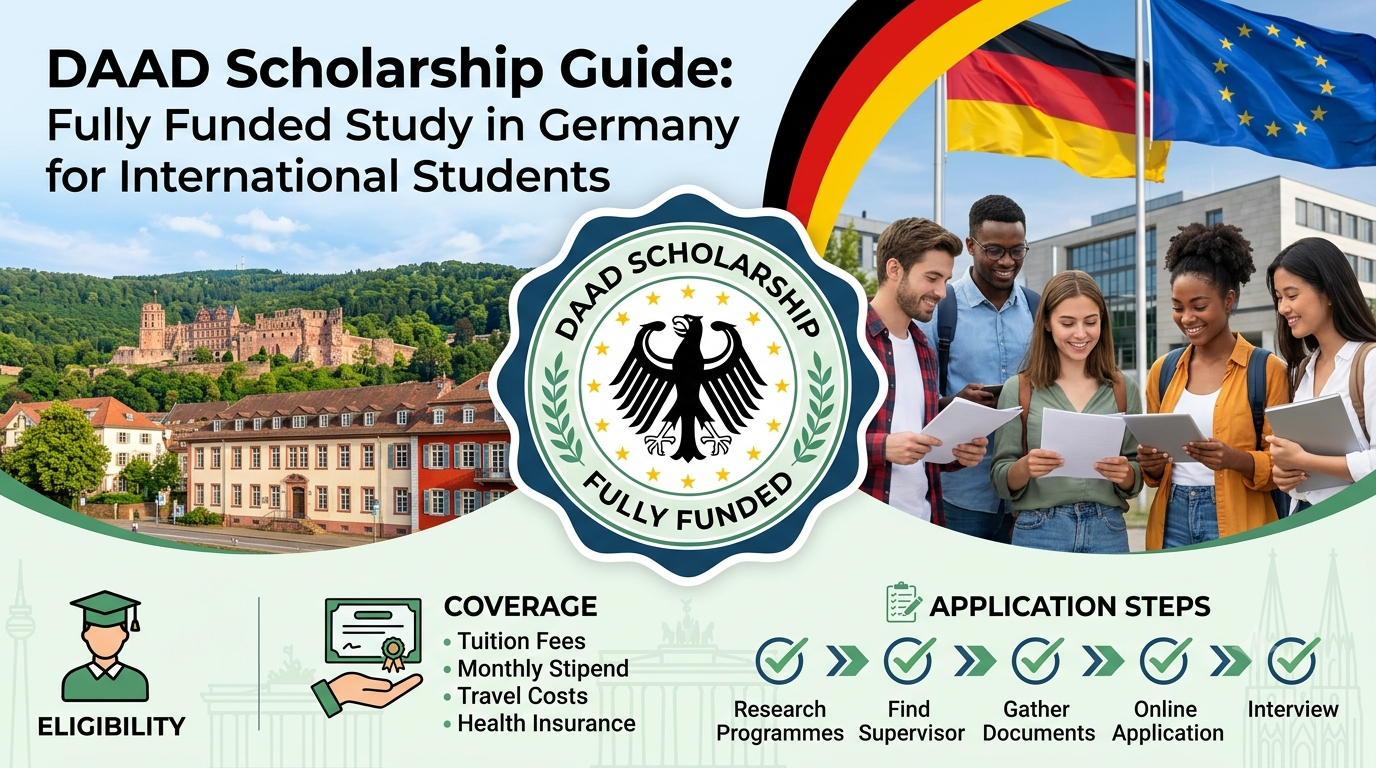
DAAD Scholarship: Your Gateway to Studying in Germany
DAAD Scholarship: Your Gateway to Studying in GermanyDreaming of studying in Germany, home to some of the world's most prestigious universities and a thriving…
Read article →