
Introduction
Imagine this: you’ve just landed in Seoul, excited to begin your study abroad journey. The city feels alive with neon lights, bustling streets, and endless things to explore. But then comes your first challenge—how do you get around such a huge city without getting lost or spending too much money? For many international students, understanding Seoul’s transportation system is one of the first steps toward building confidence and independence in a new country.
Why This Matters for International Students
Seoul is one of the busiest cities in the world, with over 10 million residents. Thankfully, it also has one of the most efficient and affordable public transportation systems. Knowing how to use buses, subways, taxis, and even bikes can save you money, reduce stress, and help you explore student life in South Korea more fully. Since the cost of living in Seoul can be high, learning the transportation system early will make your study abroad experience smoother and more enjoyable.
The Seoul Subway System – Fast, Reliable, and Student-Friendly
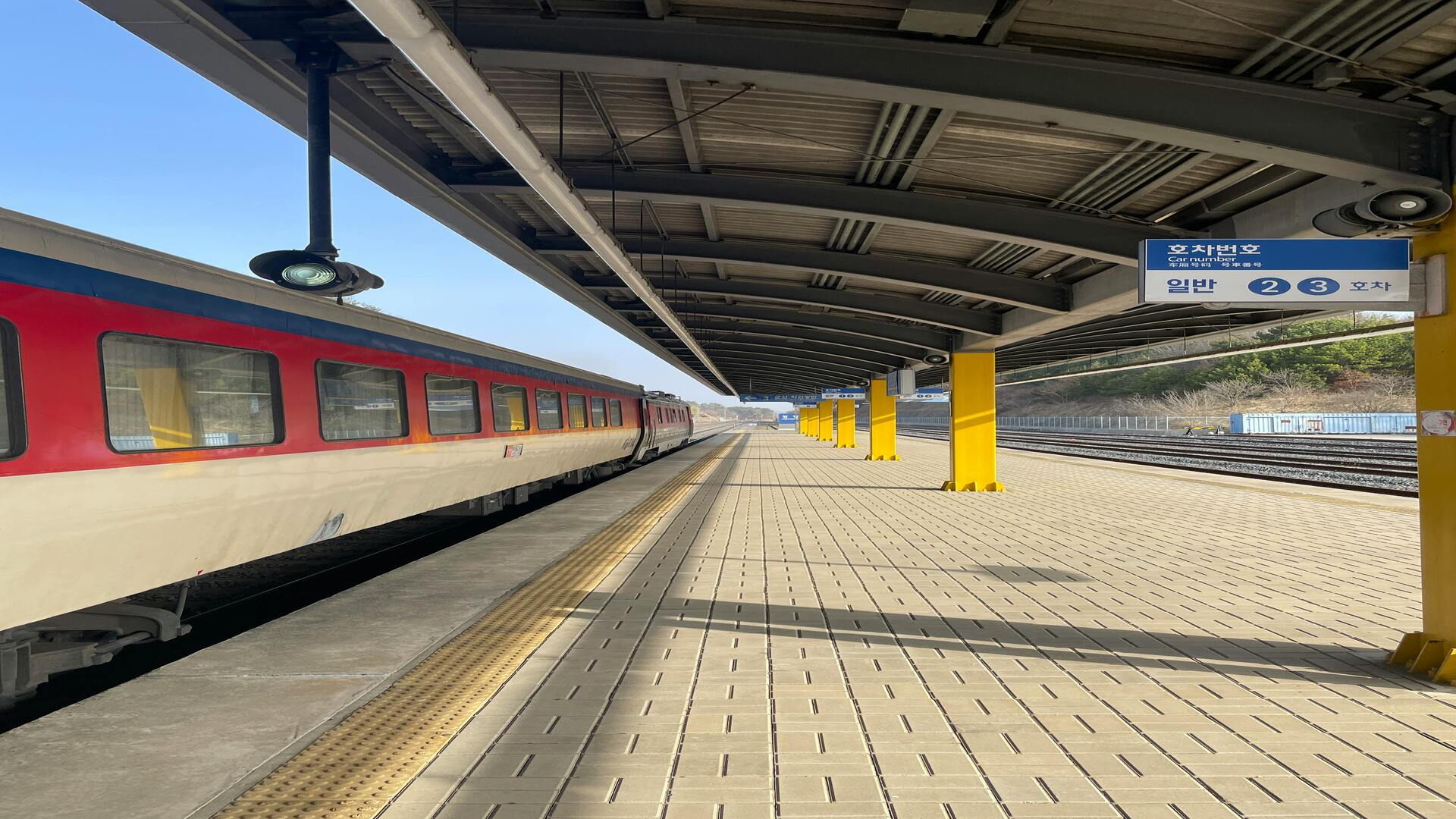
The subway is the backbone of transportation in Seoul. With over 20 lines and hundreds of stations, it connects almost every corner of the city, including major universities, dormitories, shopping areas, and cultural landmarks. Signs and announcements are available in English, Korean, Chinese, and Japanese, which makes it easier for international students to navigate. The subway is punctual, clean, and safe, even late at night.
One of the best parts about the subway is its affordability. A single trip usually costs around 1,250 to 1,350 KRW (about 1 USD), and you can transfer between lines without paying extra as long as you stay within the system. Most students purchase a **T-money card**, a rechargeable transportation card that works for both buses and subways. It not only saves time but also gives small discounts on every ride.
Buses in Seoul – Affordable and Well-Connected
While the subway covers most of the city, buses often take you closer to your actual destination. Seoul has an extensive bus system divided into four colors: blue for long distances, green for short neighborhood routes, yellow for circular routes, and red for express buses to the suburbs. The bus network might seem confusing at first, but apps like Naver Map or KakaoMap make it easy to find the right route.
Students often prefer buses for short trips since they are slightly cheaper and provide a great view of the city while traveling. Using your T-money card on buses is simple—just tap when you enter and tap again when you leave. If you forget to tap when exiting, you may be charged the maximum fare, so keep that in mind.
Taxis, Ride-Sharing, and Alternatives
Taxis in Seoul are widely available, clean, and relatively inexpensive compared to many Western countries. A short ride usually costs around 4,000 KRW (about 3 USD), but frequent use can add up quickly. Students often use taxis late at night when the subway and buses are closed, or when traveling with friends to split the cost. Most drivers may not speak fluent English, so it’s helpful to show them your destination written in Korean.
In recent years, ride-hailing apps like Kakao T have become very popular, making it easier for students to book a ride. However, if you are trying to manage your budget as a student, taxis should be reserved for occasional use rather than daily travel.
Biking and Walking – Healthy and Eco-Friendly Choices
Seoul is also a great city for biking and walking. Many students enjoy using the public bike rental system called Seoul Bike (Ddareungi). You can easily rent a bike using a mobile app and return it at any designated station across the city. The service is inexpensive and a perfect way to explore parks, riversides, or university neighborhoods.
Walking is also very convenient in Seoul, especially in student areas like Hongdae, Sinchon, and near major campuses. These neighborhoods are designed with wide pedestrian paths, affordable food stalls, and cultural attractions, making walking both enjoyable and practical.
Practical Tips for International Students
As an international student, your first few days in Seoul may feel overwhelming, but once you get used to the transportation system, everything becomes easier. Always keep a T-money card in your wallet since it works across almost all forms of public transport. Download apps like Naver Map, KakaoMap, and Subway Korea to check real-time routes and schedules. Try to avoid rush hours (8–9 AM and 6–7 PM) when the subway and buses are packed with office workers.
Students should also take advantage of transportation discounts. While Seoul does not have a universal student discount for daily travel, long-term passes for frequent subway use can help you save money if you live far from your university. Additionally, learning a few basic Korean phrases for directions will make your daily commute smoother and help you connect with locals.
Conclusion
Getting around Seoul may seem challenging at first, but with a little practice, you’ll soon find that the city’s transportation system is one of its greatest strengths. It’s affordable, efficient, and student-friendly, giving you the freedom to explore every corner of this dynamic city. Whether you are rushing to class, meeting friends in Gangnam, or biking along the Han River, transportation becomes part of the adventure of student life in South Korea.
Call to Action
At Letstern, we know that studying abroad is about more than just academics—it’s about adjusting to a new culture, lifestyle, and daily challenges like transportation. Our team provides personalized coaching, mock interviews, and an active community to help you prepare for your journey in South Korea and beyond. If you’re ready to make your study abroad experience stress-free and unforgettable, Letstern is here to guide you every step of the way.
Meta Description
A complete transportation guide for students in Seoul. Learn how to use the subway, buses, taxis, and bikes to make student life in South Korea easier.
Suggested Blog Titles
1. Transportation Guide for Students in Seoul: How to Get Around Easily
2. Student Life in Seoul: Mastering Public Transport in South Korea
3. Affordable and Easy Transportation Tips for Students in Seoul
4. How International Students Can Navigate Seoul’s Subway and Bus System
5. Student-Friendly Transportation in Seoul: A Complete Guide
Key Takeaways
1. Seoul’s subway is affordable, safe, and student-friendly with English signs.
2. T-money cards make using buses and trains easy and cheaper.
3. Buses cover routes subways don’t and are great for short trips.
4. Taxis are convenient at night but should be used sparingly to save money.
5. Biking and walking are eco-friendly ways to explore Seoul’s student neighborhoods.
Related articles
More from Study Abroad & Universities and recent posts.

Studying in Spain: Admission Requirements, Scholarships, Visa Process, and Living Costs
Why Spain….? Spain offers international students an unparalleled educational experience, characterized by its rich cultural heritage, top-tier universities,…
Read article →
Studying in Norway: Admission Requirements, Scholarships, Visa Process, and Living Costs
Admission Requirements ? Admission Process 1. Understand Entry Requirements: Check the specific requirements for your country and the program you are applying…
Read article →
Why Choose Luxembourg for Your Studies? A Guide to Universities, Scholarships, and Living Costs
Why Luxembourg Luxembourg is a hub for quality education and advanced facilities, providing a great learning environment for international students. The Univer…
Read article →