
Introduction
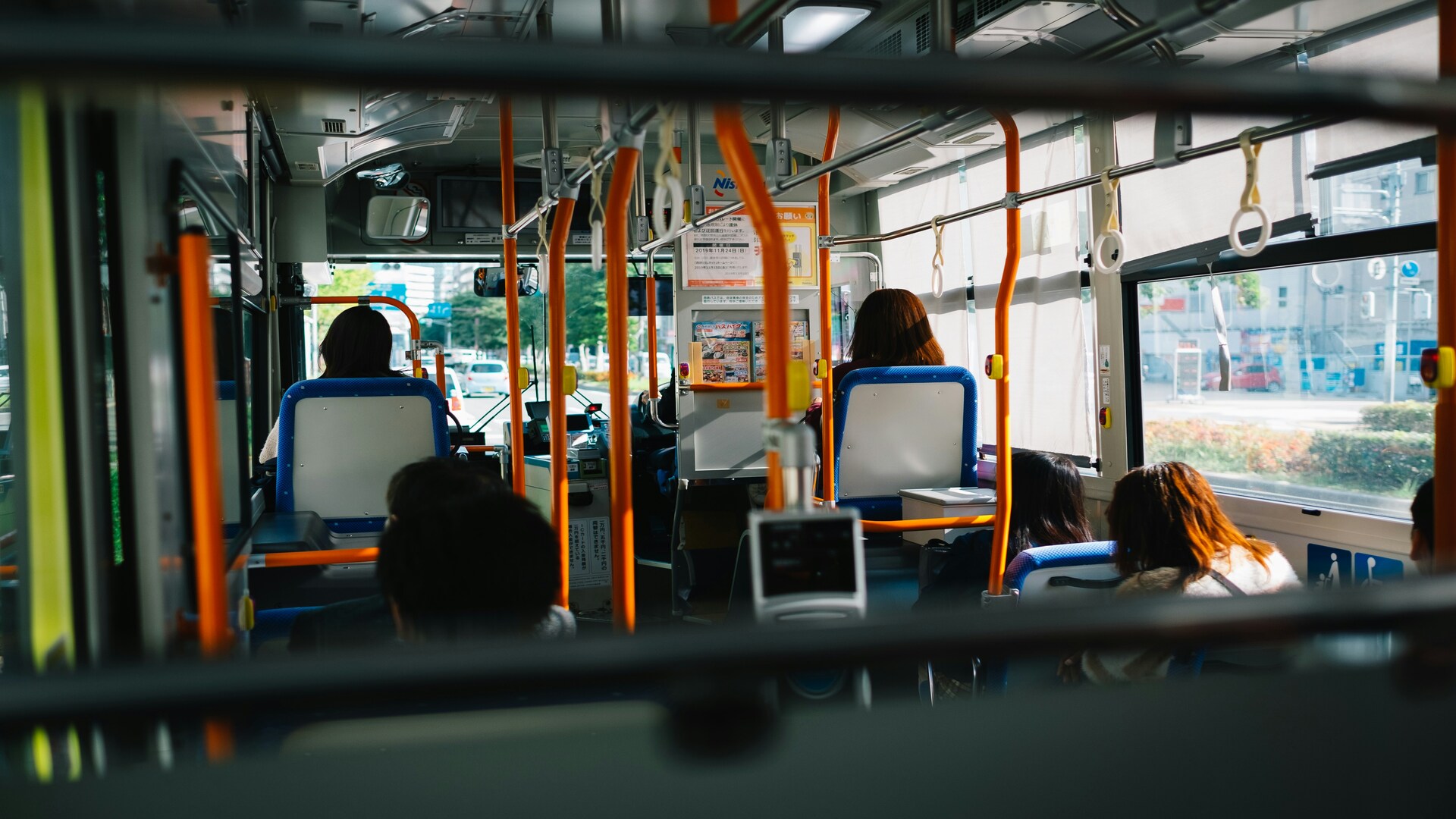
Moving to the United States to pursue your studies is an exciting journey, but it can also feel overwhelming, especially when you need to navigate a new city. Many international students worry about how to travel efficiently, safely, and affordably, particularly if they are used to walking or driving everywhere in their home country. Understanding public transport is crucial, not just for reaching your classes on time, but also for managing your budget and integrating into student life. Missing a lecture or a study group because of transportation issues is stressful, but with the right knowledge and preparation, commuting can become a smooth and even enjoyable part of your study abroad experience.
Why Public Transport Matters for Students
Public transport is often the most cost-effective and convenient way for international students to move around in the US. Owning a car can be very expensive due to insurance costs, fuel prices, and parking fees, which can quickly add up and strain a student budget. In cities like New York, Boston, and Chicago, public transport is not only affordable but also extensive and reliable. Learning to use buses, subways, and commuter trains efficiently will help students save money, reduce stress, and gain independence. Moreover, being familiar with local transit allows students to explore the city, meet new people, and experience daily life like a local, making the study abroad experience more enriching.
Understanding the Local Transit System
Every city in the US has its own public transport system, and understanding it is the first step toward comfortable commuting. Before arriving, it is important to research the transit system of your city through official websites or apps. Most major cities provide detailed maps, schedules, and route information. You will encounter various modes of transport, including buses, subways, light rail, and commuter trains. Some smaller towns may rely heavily on buses, while metropolitan areas usually have multiple options. Students should also check whether local transit authorities offer discounts for students, which can significantly reduce travel costs. Downloading apps like Google Maps, Transit, or Moovit can make navigation easier by providing real-time updates, step-by-step directions, and estimated travel times. These tools are invaluable for new students who may not yet be familiar with city routes and schedules.
Budgeting and Cost-Effective Travel
Managing travel expenses is essential for students living on a budget. Public transport offers several options to help reduce costs. Monthly or semester passes are often more economical than buying single tickets for each trip. Using these passes can save a considerable amount of money, especially for students who commute daily to campus. Additionally, understanding peak and off-peak hours can help students avoid additional charges and crowded vehicles. Ride-sharing services such as Uber or Lyft can be convenient for emergency situations or when traveling late at night, but these options are generally more expensive than regular public transport. For example, in New York City, a monthly MTA MetroCard costs around \$127, while a single ride is \$2.90. Students commuting multiple times a week will save a significant amount by opting for a monthly pass. Efficient budgeting of travel expenses ensures that students have enough funds for other essential aspects of student life, such as textbooks, food, and social activities.
Safety and Etiquette Tips
Safety and respect are important aspects of using public transport in the US. Students should always stay aware of their surroundings, particularly during late hours or when traveling alone. Keeping personal belongings close and securing valuable items helps prevent theft. It is also advisable to sit near other passengers in less crowded areas to ensure a safer experience. Equally important is following proper etiquette while using public transport. Passengers are expected to allow others to exit before boarding, maintain a reasonable volume while talking, and offer seats to elderly or disabled individuals if required. American students value personal space, so maintaining a respectful distance from others is considered polite. Observing these safety measures and social norms makes commuting more comfortable and helps international students adapt smoothly to local customs.
Navigating Transfers and Multi-Mode Travel
In many cities, a single bus or train may not be sufficient to reach your destination. Understanding how to transfer between routes is essential for efficient commuting. Planning the journey in advance, identifying transfer points, and being aware of schedules are key strategies for successful multi-mode travel. Allowing extra time for new or unfamiliar routes helps reduce stress, especially during adverse weather conditions. For instance, a student traveling from a dormitory in Boston to downtown may need to take the subway for most of the journey and then transfer to a bus for the final leg. Familiarity with transfers, as well as patience and planning, ensures smooth travel and reduces the chances of missing classes or appointments.
Practical Advice for International Students
As an international student, it is natural to feel uncertain when navigating a new city. Asking for guidance from transit staff or fellow passengers can provide helpful insights, and most people are friendly and willing to assist. It is also important to keep emergency contacts, such as local authorities or campus security, easily accessible. Starting with familiar routes and gradually exploring new ones builds confidence over time. Joining university forums or social media groups dedicated to student life in the US can also be a great way to share tips and learn from peers’ experiences. By staying proactive and engaged, students can quickly adapt to public transport systems and enjoy the freedom of independent travel.
Conclusion
Using public transport in the US may seem intimidating at first, but with preparation and practice, it becomes a manageable and rewarding part of student life. Learning to navigate buses, subways, and trains not only saves money but also enhances independence, builds confidence, and provides opportunities to explore your new city. Every journey, whether it is to class, a library, or a local cafe, contributes to a richer, more engaging study abroad experience. By staying informed, planning carefully, and respecting local norms, international students can make the most of public transport and enjoy a smoother transition into American student life.
Call to Action
To make your study abroad journey even smoother, explore Letstern’s resources, including mock interviews, career coaching, memberships with exclusive student benefits, and a supportive community of experienced mentors. Join Letstern today and take control of your student life abroad with confidence and ease.
Meta Description
Discover practical tips for international students using public transport in the US. Learn to save money, stay safe, and navigate buses, trains, and subways efficiently.
Suggested Blog Titles
1. Essential Public Transport Tips for International Students in the US
2. Student Life in the US: How to Master Public Transit
3. Navigating US Public Transport: A Guide for Study Abroad Students
4. Save Money and Travel Smart: Public Transport Tips for Students in the US
5. From Dorms to Downtown: Public Transit Strategies for US Students
Key Takeaways
Using public transport is cost-effective and convenient for students. Understanding routes, schedules, and transfer points ensures smooth commuting. Prioritizing safety, etiquette, and student discounts improves the overall experience. Planning and practice help students adapt quickly to city life. Apps and online resources provide real-time guidance for efficient travel.
Related articles
More from Living & Student Life and recent posts.
Student Housing in Italy: Practical Guide for International Students
Study abroad · Italy Student Housing in Italy: A Practical Guide for International Students One of the most exciting moments in your study abroad journey is…
Read article →
Food & Daily Life in the Middle East for International Students
IntroductionOne of the most exciting yet challenging parts of studying abroad is adapting to a new lifestyle. For international students in the Middle East, th…
Read article →
Cost of Living in Istanbul vs. Ankara: A Student’s Guide
IntroductionWhen students dream of studying in Turkey, two names often stand out: Istanbul, the country’s bustling cultural hub, and Ankara, the calm politic…
Read article →