

Introduction
You have just landed in a new country, ready to start your study abroad journey. You are excited but also nervous. The cost of living in London or Toronto seems overwhelming, assignments look tougher than expected, and homesickness creeps in. At such moments, success is not only about how smart you are or how hard you study—it is about your mindset. The way you think, approach challenges, and believe in yourself shapes your academic journey more than you might imagine.
Why Mindset Matters for International Students
When you are away from home, facing cultural differences, language barriers, and academic pressure, mindset becomes your strongest tool. International students in countries like Germany, Canada, or Australia often discover that success is not only about grades. It is about resilience, adaptability, and the ability to stay positive despite obstacles. A strong mindset allows you to balance academics with student life, manage stress, and find opportunities for growth even when things get tough.
Fixed vs. Growth Mindset
Psychologist Carol Dweck introduced the idea of fixed mindset and growth mindset.
A fixed mindset makes students believe intelligence is limited and success depends only on talent. They may give up easily when facing a difficult assignment or language barrier.
A growth mindset helps students believe skills can be developed with effort, practice, and learning. Challenges become opportunities instead of threats.
For example, a student in the UK struggling with essay writing might think, “I’m just not good at English writing” (fixed mindset). Another student in the same situation may say, I can improve my writing through practice, workshops, and feedback (growth mindset). The second student is more likely to succeed academically and gain confidence.
The Impact of Mindset on Academic Success
Motivation and Persistence
A positive mindset fuels motivation. Students in Canada often work part-time jobs while managing full-time studies. Without the right mindset, balancing both can feel impossible. But those who see challenges as learning opportunities build persistence and discipline.
Coping with Stress
Studying abroad comes with financial pressure, cultural adjustment, and academic competition. Students with a strong mindset treat setbacks as temporary. For example, if they fail a test, they see it as feedback, not failure. This attitude reduces stress and encourages continuous improvement.
Building Confidence
A growth mindset builds self-confidence. When students take part in class discussions in the USA, even with imperfect English, they grow braver over time. Confidence allows them to participate more, connect with professors, and explore leadership roles in student organizations.
Practical Tips for Developing a Growth Mindset
1.Reframe Challenges
Instead of saying I can’t do this, say “I can’t do this yet.”This small word—yet—changes everything.
2.Focus on Progress, Not Perfection
Celebrate small wins. If you improved your essay grade from a C to a B, acknowledge it. Growth is step by step.
3.Learn from Failure
Failure is part of the process. A student in Germany once failed his first exam but used feedback from professors, joined study groups, and passed with distinction the next semester.
4.Surround Yourself with Positivity
Join study-abroad communities, student societies, or Letstern’s mentorship programs. Being around supportive peers boosts your mindset and motivation.
5.Take Care of Mental Health
Exercise, meditation, or even a walk around campus can refresh your mind. A healthy lifestyle supports a healthy mindset.
Mindset and Cultural Adaptation
Living abroad means adjusting to new cultural norms. In Japan, silence in class is seen as respect, while in the USA, participation is highly valued. Students with a growth mindset adapt quickly, respecting cultural differences while finding their own way to succeed. They see diversity as a chance to grow, not as a barrier.
Conclusion
Your academic success abroad depends less on perfect grades and more on how you think, react, and grow. With a strong mindset, you can handle stress, embrace challenges, and make the most of your study abroad journey. Remember, success is not about being flawless—it is about being resilient, adaptable, and willing to learn every day.
Call to Action
At Letstern, we believe in empowering students with the right mindset for success. Through career coaching, mock interviews, exclusive memberships, and a supportive global community, we help you grow not just academically but also personally. Join us today and start building the mindset that shapes your future.
Meta Description
Discover how a growth mindset helps international students achieve academic success, adapt abroad, and thrive in student life globally.
Suggested Titles
1. The Role of Mindset in Achieving Academic Success Abroad
2. How a Growth Mindset Shapes International Student Success
3. Mindset Matters: Thriving in Your Study Abroad Journey
4. Academic Success Abroad: Why Mindset is the Key
5. From Stress to Success: The Power of Mindset for Students
Key Takeaways
A growth mindset turns challenges into opportunities for learning.
Mindset helps international students adapt to cultural and academic differences.
Small progress matters more than perfection.
Resilience and positivity reduce stress and build confidence.
Mindset is the foundation of long-term academic and personal success abroad.
Related articles
More from Living & Student Life and recent posts.
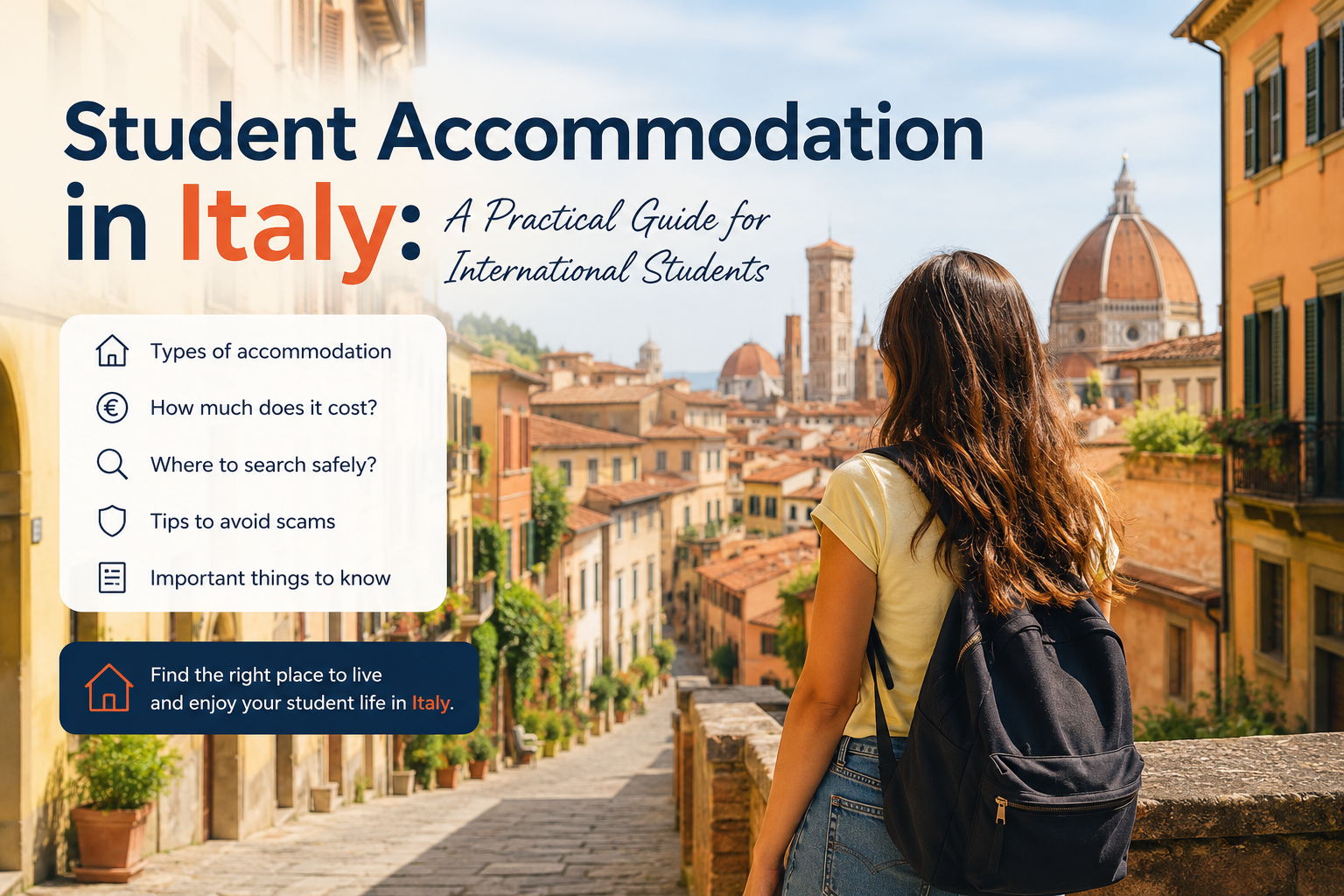
Student Housing in Italy: Practical Guide for International Students
Study abroad · Italy Student Housing in Italy: A Practical Guide for International Students One of the most exciting moments in your study abroad journey is…
Read article →
Food & Daily Life in the Middle East for International Students
IntroductionOne of the most exciting yet challenging parts of studying abroad is adapting to a new lifestyle. For international students in the Middle East, th…
Read article →
Cost of Living in Istanbul vs. Ankara: A Student’s Guide
IntroductionWhen students dream of studying in Turkey, two names often stand out: Istanbul, the country’s bustling cultural hub, and Ankara, the calm politic…
Read article →