
Introduction
You’ve been accepted into your dream university abroad. Your bags are packed, your excitement is high and your family is proud. But then comes the visa interview a moment that decides whether you step on that plane or stay behind. One of the most common stumbling blocks for students is financial proof. Embassies want to know: Can you really afford to study and live abroad without financial struggle?
Many students underestimate this part thinking academic acceptance alone guarantees a visa. In reality financial proof can make or break your application.
Why Financial Proof Matters in Visa Interviews
When you apply for a study abroad visa, the embassy isn’t just checking your academic record. They want to be sure you can:
- Pay tuition fees on time.
- Cover the cost of living in the host country.
- Avoid becoming financially dependent on the host government.
- Return home after completing your studies.
- Financial proof isn’t just paperwork it’s reassurance. A student who shows strong transparent finances tells the visa officer: I am prepared, responsible and serious about my studies.
Types of Financial Proof Students Need
Different countries have different requirements, but generally, you may be asked to provide:
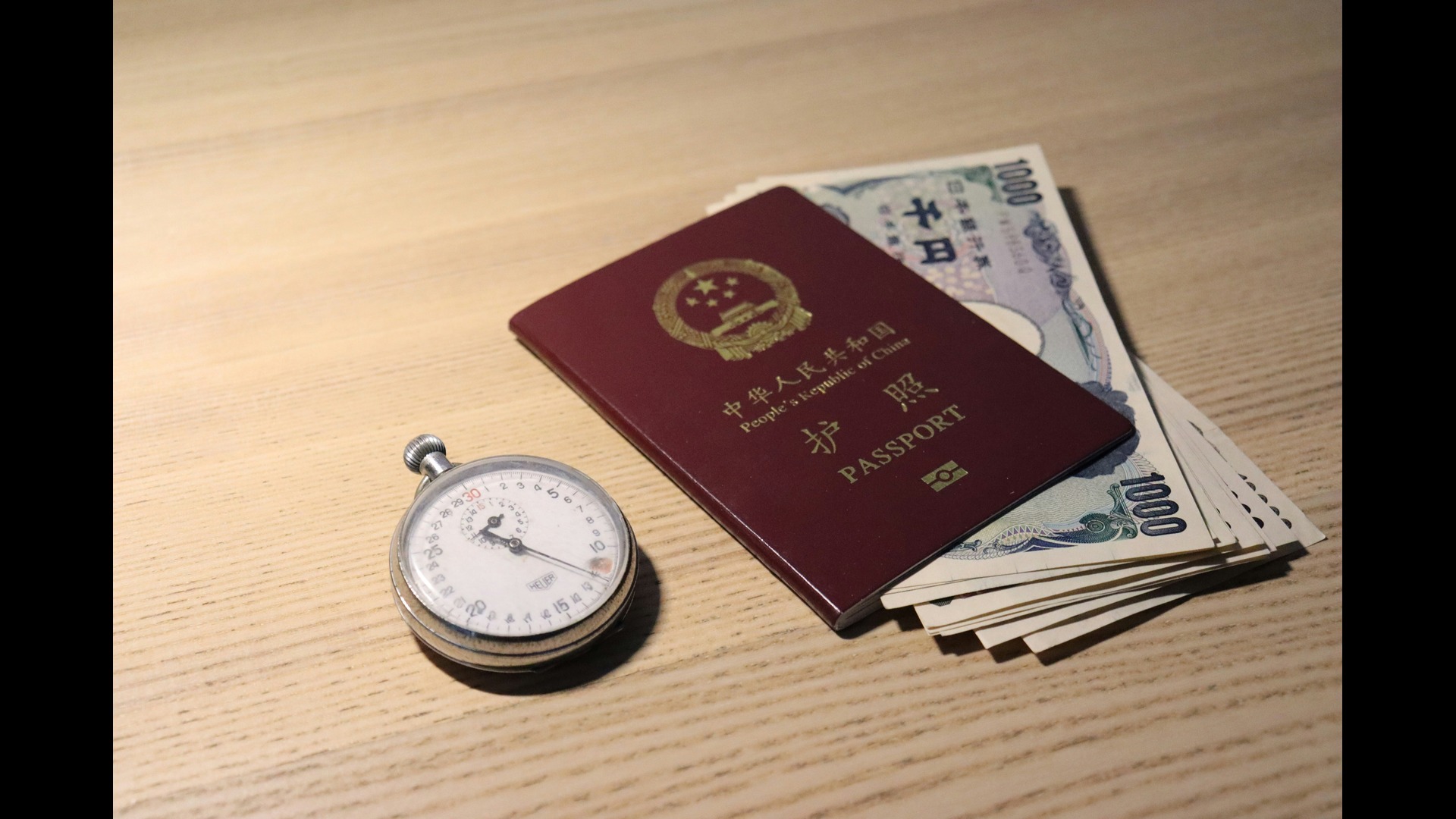
Bank Statements – Usually 3–6 months of history showing enough balance for tuition and living expenses.
Scholarship or Sponsorship Letters – Official documents proving your financial support from a university, government, or sponsor.
Blocked Accounts – For countries like Germany, students must open a blocked account with a fixed amount (around €11,000–€12,000 per year).
Loan Sanction Letters – In some cases, student loans from recognized banks are accepted as proof.
Income Certificates / Tax Returns – Sometimes embassies ask for parents or guardians income to ensure sustainability of support.
Example: Aisha from Lahore applied for a German student visa. She submitted her blocked account statement but forgot to attach her health insurance proof. The embassy delayed her application until she completed the file. Lesson: every piece of financial evidence matters.
Common Mistakes Students Make in Visa Interviews
Even well-prepared students can face rejection if they overlook key details:
Inconsistent Information: Saying one thing in the interview but showing different numbers in bank statements.
Fake or Weak Documents: Embassies quickly identify forged papers leading to automatic rejection.
Over-Dependence on Sponsors: If a sponsor’s finances are unclear or unstable officers may doubt long-term support.
Ignoring Cost of Living: Students sometimes underestimate living expenses in cities like London, New York or Sydney. Officers want realistic numbers.
How to Present Financial Proof Confidently
In the visa interview it’s not enough to hand over documents you need to explain them confidently.
1. Know the Numbers: Be clear on how much your tuition and living expenses are and how you’ll cover them.
2. Stay Honest: Don’t try to memorize fake answers. Speak naturally and truthfully.
3. Practice Interviews: Mock interviews with mentors (like those at Letstern) help reduce nervousness.
4. Highlight Scholarships: If you’ve earned funding, proudly share it—it shows merit and stability.
5. Be Prepared for “What If” Questions: Officers may ask what happens if your sponsor stops funding you. Have a realistic backup plan.
Tip: Instead of saying “My parents will pay for everything,” explain: “My parents have savings of \$XX in addition to an annual income of \$XX, which covers my tuition and living expenses. I also received a partial scholarship of \$XX.” This sounds professional and credible.
Practical Action Steps for Students
- Start preparing financial documents at least 3–6 months before your visa interview.
- Always use official bank letters with proper seals and signatures.
- Keep digital and printed copies of all documents.
- Research the cost of living in your city (e.g., London is higher than Manchester; New York more expensive than Chicago).
- Join student communities to learn real-life budgeting tips.
Conclusion
Your financial proof is more than just numbersit’s your commitment to succeed abroad. Visa officers want to see not only if you can survive financially but also if you are prepared for the challenges of student life in a new country. Don’t see financial proof as a hurdle; see it as a way to show responsibility, stability and seriousness about your education.
Call to Action
At Letstern, we know how overwhelming visa interviews can feel. That’s why we offer mock interviews document review and personalized coaching to help you prepare with confidence. Join our student community today and take the stress out of your study abroad journey.
Meta Description
Financial proof can make or break your visa interview. Learn why it matters, common mistakes to avoid and how to present it confidently for study abroad success.
Suggested Titles
1. The Importance of Financial Proof in Student Visa Interviews
2. How to Show Financial Proof for Your Study Abroad Visa
3. Common Mistakes in Financial Proof during Visa Interviews
4. Student Visa Success: Mastering the Art of Financial Proof
5. Why Embassies Care About Financial Proof in Visa Interviews
Key Takeaways
1. Strong financial proof builds embassy trust in your study abroad plans.
2. Common mistakes include fake papers, weak sponsor details or inconsistent answers.
3. Different countries require bank statements, blocked accounts or scholarship letters.
4. Confidence and honesty in the interview matter as much as documents.
5. Preparation months in advance reduces stress and increases approval chances.
Related articles
More from Study Abroad & Universities and recent posts.
Understanding University of Bologna Master's Tuition Fees for 2026/2027
Planning to pursue a Master's degree at the University of Bologna, the oldest university in the Western world? Understanding the tuition fees is a crucial st…
Read article →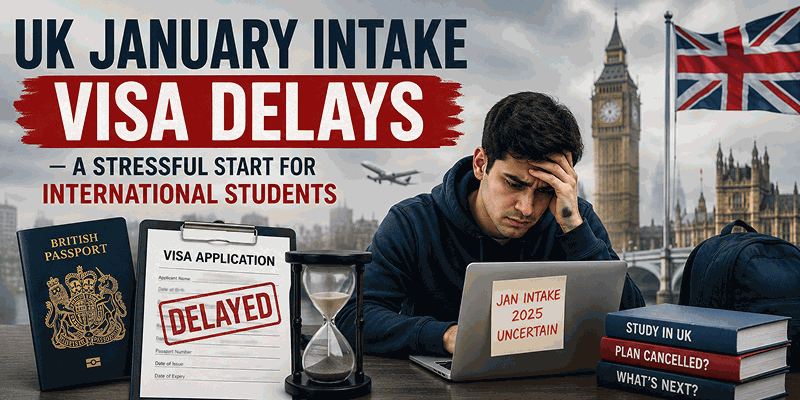
UK January Intake Visa Delays — A Stressful Start for International Students
This year’s January intake in the UK hasn’t gone as smoothly as many students and universities had hoped. Instead of excitement and new beginnings, thousan…
Read article →
Austria Fully Funded Government Scholarships 2025-2026 (Without IELTS)
IntroductionMany students dream of studying in Europe but often worry about two big challenges: the high cost of education and the pressure of English tests li…
Read article →