

Introduction
Moving to the United States for higher education is an exciting adventure, full of opportunities to explore new cities, meet people from around the world, and gain invaluable academic experience. However, living in a new country also comes with challenges, particularly when it comes to personal safety. Many international students worry about navigating unfamiliar neighborhoods, public transport, or social situations safely. Imagine arriving late at night from a library or commuting through a busy city, unsure which areas are safe or how to respond in emergencies. Understanding safety practices is not just about avoiding danger—it’s about feeling confident and secure while enjoying your student life in the USA.
Why Safety Matters for International Students
Safety is a fundamental concern for international students because it affects daily life, mental health, and academic performance. Studying abroad often involves adjusting to new cultural norms, transportation systems, and social environments. Being unaware of safety risks or precautions can lead to stressful situations, distractions, or even financial losses. For instance, cities in the US vary widely in terms of crime rates, public transport safety, and emergency response systems. By learning basic safety strategies, international students can reduce risks, protect their belongings, and build confidence as they navigate life away from home. A safe environment also allows students to focus on their studies, participate in social activities, and fully embrace the cultural experiences that come with studying abroad.
1. Stay Aware of Your Surroundings
One of the most important safety habits is situational awareness. This means paying attention to your environment, especially in unfamiliar areas, crowded public spaces, or late-night commutes. Avoid wearing headphones at high volume or being absorbed in your phone, as this can make you less aware of potential hazards. Simple habits like walking with confidence, staying on well-lit streets, and noting nearby exits or open stores can make a significant difference. For example, many students in cities like New York or Los Angeles use apps to plan routes and check neighborhood safety before traveling. By staying alert, you can anticipate risks, avoid unsafe areas, and respond quickly if a situation feels uncomfortable.
2. Use Safe Transportation Options
Transportation safety is crucial for students who rely on public transit, ride-sharing services, or bicycles. Buses, trains, and subways are generally safe, but it is wise to avoid empty carriages at night or isolated bus stops. If using ride-sharing apps like Uber or Lyft, always verify the driver’s details, share your trip with a friend, and sit in the back seat. When cycling, wear a helmet, use reflective gear at night, and follow traffic rules carefully. For students living off-campus, choosing reliable transport options, learning safe routes, and planning trips ahead can prevent accidents or risky situations. Cultural insight: Americans value punctuality and organization, so planning your commute ahead of time is both safe and socially accepted.
3. Protect Your Personal Belongings
International students often carry laptops, smart phones, wallets, and important documents, making them targets for theft if precautions are ignored. Always carry bags securely, avoid leaving valuables unattended, and use lockers where available on campus. For apartments or shared housing, lock doors and windows, and never share your keys or access codes with strangers. Using digital tools, such as tracking apps for phones or laptops, can provide an extra layer of security. For example, many students in Boston and Chicago rely on campus security or local police apps to report lost or stolen items quickly. By protecting personal belongings, students can focus on studies and social life without constant worry.
4. Learn Emergency Contacts and Resources
Knowing whom to contact in case of an emergency is essential. Every city in the US has 911 for urgent police, fire, or medical help. Additionally, universities provide campus security, hotlines, and counseling services. Keep a list of emergency contacts in your phone and on paper, including local friends, landlords, and student support offices. Many universities also offer safety apps that allow students to quickly alert security personnel if they feel unsafe. For example, the University of California system has apps with features like GPS tracking, panic buttons, and shuttle services to ensure students can reach safety at any hour. Understanding and using these resources enhances confidence and preparedness.
5. Understand Cultural Norms and Social Boundaries
Cultural awareness contributes to personal safety. In the US, respecting personal space, communicating clearly, and observing social etiquette can prevent misunderstandings or confrontations. Avoid confrontational situations, especially with strangers, and seek help from authorities or campus security when needed. Participating in student orientation programs or cultural workshops offered by universities helps international students understand acceptable behavior in public spaces and social interactions. For example, in some US cities, it is normal to politely decline interactions with strangers, while in others, casual conversations may be common. Recognizing these cultural nuances ensures smoother social experiences and reduces potential safety risks.
Practical Tips for International Students
International students should cultivate daily safety habits. Always share your travel plans with a trusted friend, travel in groups when possible, and avoid walking alone at night in unfamiliar areas. Keep copies of important documents in a secure location, use strong passwords for online accounts, and enable location-sharing features with close contacts. Engaging in local student communities can also provide insider knowledge about safe neighborhoods, public transport tips, and emergency procedures. Practicing these habits consistently builds confidence, reduces anxiety, and allows students to focus on their academic and social goals while living in the US.
Conclusion
Safety is a key aspect of enjoying a successful study abroad experience in the United States. By staying aware of surroundings, choosing safe transportation, protecting personal belongings, understanding emergency resources, and observing cultural norms, international students can navigate daily life with confidence. Adopting these safety practices not only reduces risks but also promotes independence, peace of mind, and a more fulfilling student life. Remember, being proactive about safety allows you to focus on what truly matters—learning, exploring, and making the most of your time abroad.
Call to Action
Make your study abroad journey smoother and more secure by exploring Letstern’s resources, including mock interviews, professional coaching, student memberships, and a supportive international community. Join Letstern today and gain the tools, guidance, and confidence to thrive in the US as an international student.
Meta Description
Learn essential safety tips for international students in the USA. Stay alert, use safe transport, protect belongings, and navigate student life confidently.
Suggested Blog Titles
1. Essential Safety Tips for International Students in the USA
2. Stay Safe and Confident: A Guide for Students Studying Abroad in the US
3. Practical Safety Strategies for International Students in America
4. Student Life in the USA: How to Stay Safe on Campus and Beyond
5. Top Safety Tips Every International Student Should Know in the US
Key Takeaways (Social-Media-Friendly)
1. Always stay aware of your surroundings and plan safe routes.
2. Use reliable public transport and ride-sharing services carefully.
3. Protect your personal belongings both on-campus and off-campus.
4. Know emergency contacts, campus security, and local resources.
5. Respect cultural norms and maintain safe social boundaries.
Related articles
More from Living & Student Life and recent posts.
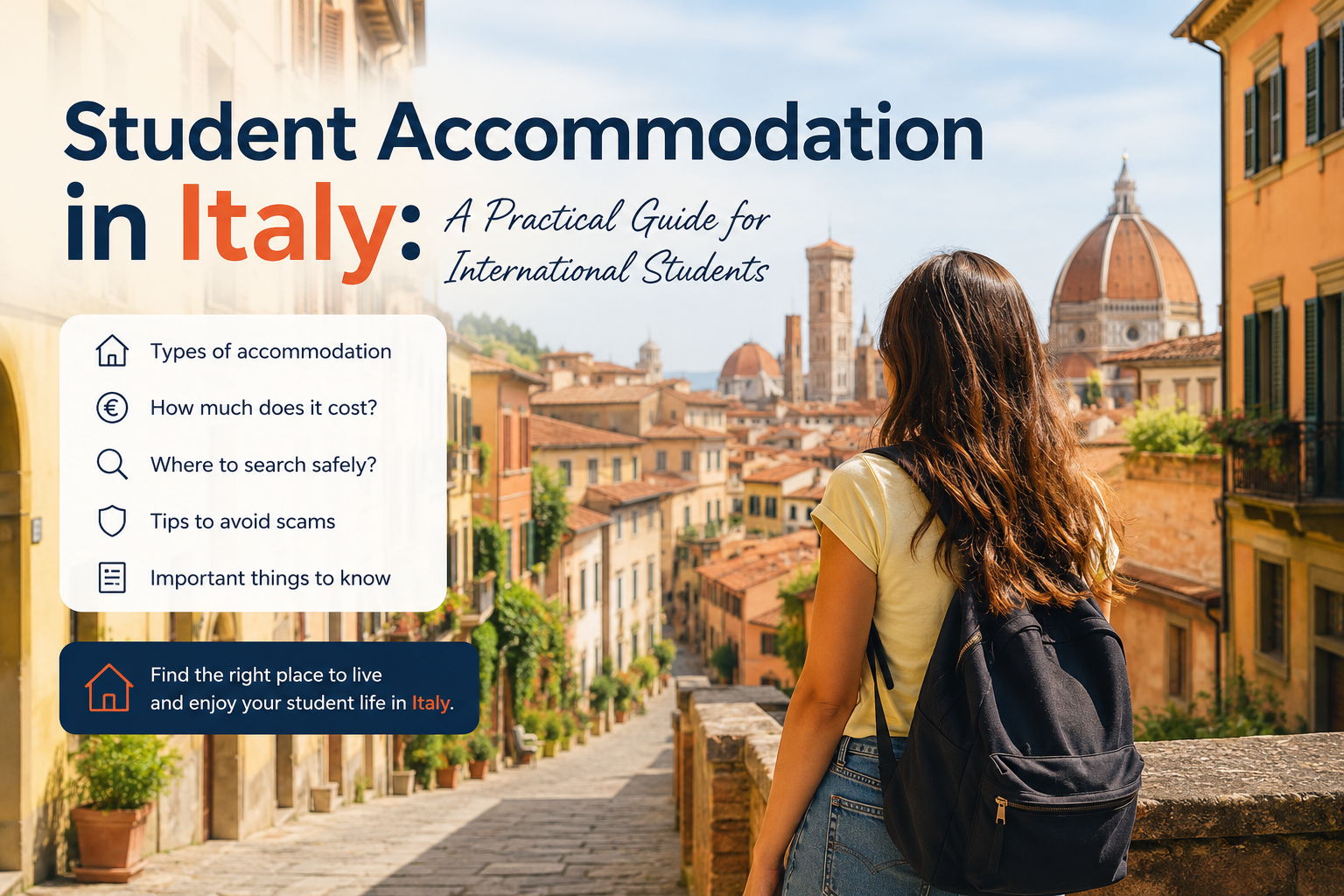
Student Housing in Italy: Practical Guide for International Students
Study abroad · Italy Student Housing in Italy: A Practical Guide for International Students One of the most exciting moments in your study abroad journey is…
Read article →
Food & Daily Life in the Middle East for International Students
IntroductionOne of the most exciting yet challenging parts of studying abroad is adapting to a new lifestyle. For international students in the Middle East, th…
Read article →
Cost of Living in Istanbul vs. Ankara: A Student’s Guide
IntroductionWhen students dream of studying in Turkey, two names often stand out: Istanbul, the country’s bustling cultural hub, and Ankara, the calm politic…
Read article →