

Introduction
Imagine walking into a university campus in a new country for the first time. You are excited, nervous, and full of questions. You wonder how you will adjust to the academic system, how you will manage the cost of living in a busy city, and most importantly, how you will find friends and opportunities in this new world. This is where networking becomes one of the most valuable tools in your study abroad journey. Many international students think networking is only for business professionals or people looking for jobs, but in reality, it is about building meaningful human connections that can make your life abroad easier, more enjoyable, and more successful.
Why Networking Matters for International Students
For international students, networking is much more than exchanging contact details or adding connections on LinkedIn. It is about creating a support system in a foreign environment. When you are thousands of miles away from home, surrounded by a new culture and language, having people around you who can guide, support, and encourage you makes a huge difference. Networking helps students academically because professors, mentors, and peers can provide advice on research projects, assignments, and career pathways. It also opens doors to part-time jobs, internships, and even full-time opportunities after graduation.
Consider the example of a student studying in Canada who attended a career fair simply to practice her English. She did not expect much from the event, but one conversation led her to meet a mentor who later referred her for an internship at a local company. That internship became her first real work experience abroad. This shows how even a small networking effort can change the course of a student’s journey. Networking also matters because it brings emotional support. Having a circle of friends, who understand your challenges, share cultural experiences, and celebrate milestones with you can make you feel less homesick and more confident.
Finding Networking Opportunities Abroad
One of the advantages of studying abroad is that you are constantly surrounded by opportunities to meet people. Universities across the world make efforts to organize events, clubs, and activities that encourage students to connect. Orientation weeks in countries like the United States and Australia are designed to introduce international students not only to campus life but also to one another. Attending these events is one of the easiest ways to start building your circle. Career fairs are another excellent platform where students can meet industry professionals, ask questions about the job market, and even discover internship programs.
Student clubs and associations are equally powerful. For instance, if you join a debating club in the United Kingdom, you are not only improving your communication skills but also connecting with students who may share your academic interests. In Australia, cultural societies are very popular and often become a home away from home for students. Similarly, volunteering groups in countries like the United States give students a chance to contribute to the local community while building meaningful friendships. Even something as simple as attending a weekly language exchange program in Germany can help you connect with both locals and other internationals, strengthening your confidence and cultural understanding at the same time.
Building Cross-Cultural Connections
Networking abroad is unique because it involves engaging with people from diverse cultures. Every culture has its own style of communication, and learning how to navigate these differences is part of the journey. For example, in Germany, punctuality and straightforward conversations are considered respectful and professional. In contrast, in Japan, politeness, humility, and careful listening are more important than speaking too much. A student who learns these differences and adapts to them can build stronger and more authentic relationships.
It is important to approach networking with an open and curious mindset. When you ask questions about someone’s culture, show genuine interest, and share aspects of your own traditions, it creates a space for mutual respect. A student in the UK once shared how bringing traditional snacks from her home country to a cultural exchange event started conversations that turned into lifelong friendships. Networking across cultures is not about pretending to be someone else, but about embracing your identity while appreciating others. Over time, these cultural exchanges make you more adaptable, empathetic, and globally aware—qualities that are valued not just in personal life but also in professional careers.
Digital Networking: Expanding Your Reach Globally
In today’s world, networking is not limited to face-to-face conversations on campus. Digital platforms have made it possible to expand your connections beyond geographical boundaries. LinkedIn, for instance, is a powerful tool where international students can showcase their skills, connect with professionals, and stay updated about industry trends. A well-crafted profile often becomes the first impression you make on future employers, mentors, or collaborators.
Many universities also offer digital career portals and alumni networks. These resources are valuable because they allow students to directly connect with graduates who are already working in their chosen fields. For example, an international student in the United States once reached out to an alumnus from his university on LinkedIn to ask about career advice. That conversation not only gave him clarity about his industry but also led to a recommendation for a summer internship at a global tech company. Digital networking also includes joining online communities, attending virtual workshops, and engaging in professional discussions that can help you stay visible in your academic or career field.
Developing Networking Skills
While opportunities exist everywhere, the key to success lies in how you approach them. Networking should not feel like a forced activity or a one-sided transaction. It is about building genuine connections. Starting small often helps. Introducing yourself to classmates after a lecture or thanking a professor for their guidance can gradually build confidence. Consistency is equally important. Attending events regularly rather than only once ensures that people remember you and see your genuine interest in building relationships.
Following up is another important skill. If you meet someone at an event, connecting with them later on email or LinkedIn shows professionalism. Offering value is also essential because networking works both ways. Instead of only expecting help, you can share resources, knowledge, or cultural insights that may benefit the other person. Authenticity is perhaps the most important factor. People can easily recognize whether you are genuinely interested or just trying to gain something. Approaching networking with honesty creates trust, and trust is the foundation of any strong relationship.
Conclusion
Networking is more than a career tool for international students—it is a life skill that shapes your study abroad journey in countless ways. It gives you opportunities, guidance, friendships, and confidence in a foreign environment. Every introduction you make, every event you attend, and every conversation you start could lead to something meaningful in your future.
The most important thing to remember is that networking is not about collecting as many contacts as possible. It is about building genuine relationships that support your growth. When you step out of your comfort zone and open yourself to new people, you are not only investing in your academic and professional success but also enriching your personal journey.
Call to Action
At Letstern, we understand that study abroad is not just about lectures and exams—it is about creating a complete experience. That is why we provide resources such as mock interviews, career coaching, memberships, and a welcoming community where you can connect with students and mentors worldwide. Explore our platform today and take your first step toward building a strong global network that supports your future.
Meta Description
Learn how international students can build a global network. Discover cultural insights, real-life examples, and strategies for study abroad success.
Suggested Titles
1. Networking for Students: Building a Global Circle Abroad
2. How International Students Can Build Strong Global Networks
3. Study Abroad Success: The Art of Networking for Students
4. From Classrooms to Careers: Networking Skills for Students Abroad
5. Building Connections Across Borders: A Student’s Guide to Networking
Key Takeaways
Networking abroad creates friendships, career opportunities, and cultural understanding.
Cross-cultural adaptability strengthens authentic relationships.
Digital platforms like LinkedIn expand global connections.
Consistent effort and authenticity make networking successful.
A strong network supports both academic and personal growth abroad.
Related articles
More from Living & Student Life and recent posts.
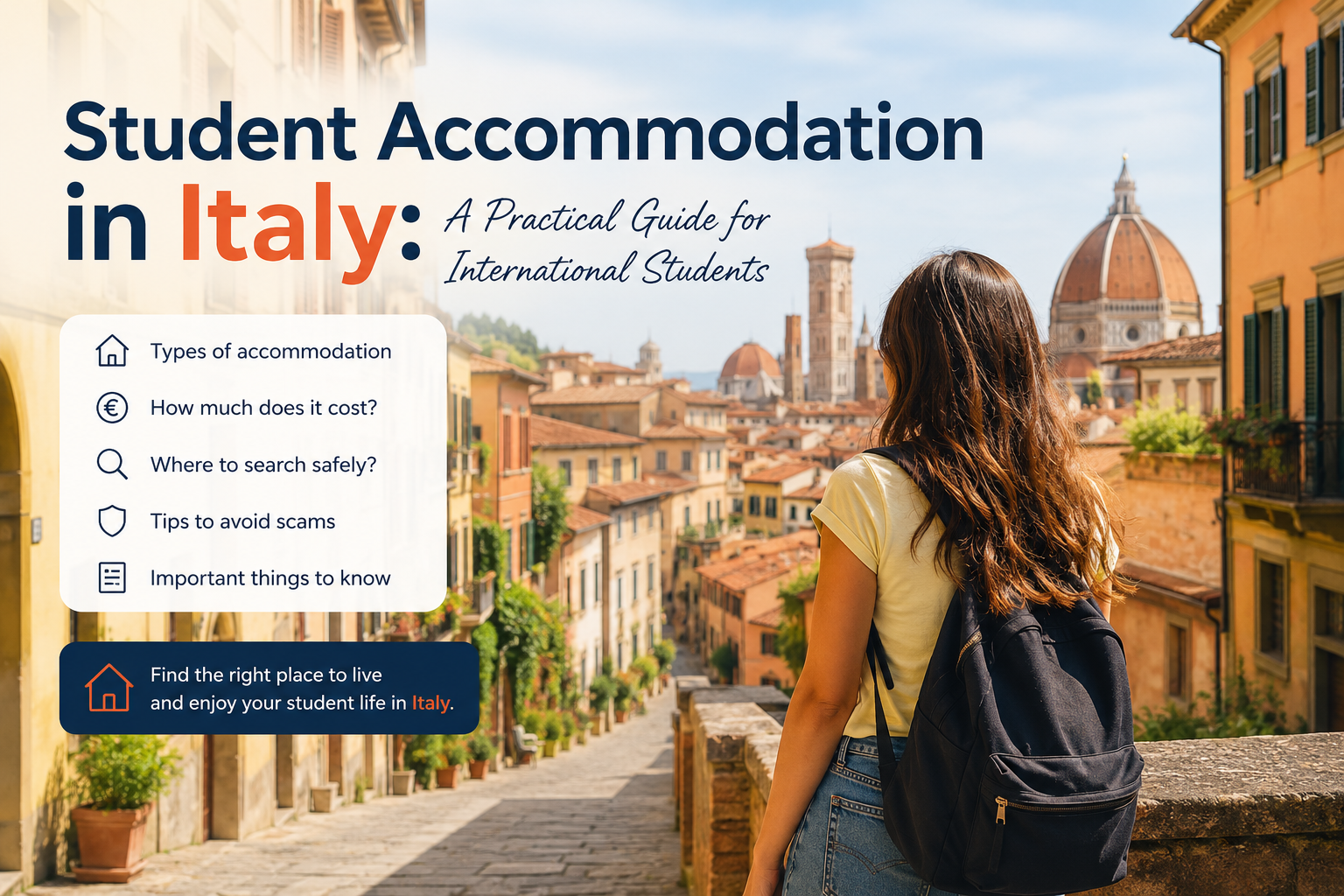
Student Housing in Italy: Practical Guide for International Students
Study abroad · Italy Student Housing in Italy: A Practical Guide for International Students One of the most exciting moments in your study abroad journey is…
Read article →
Food & Daily Life in the Middle East for International Students
IntroductionOne of the most exciting yet challenging parts of studying abroad is adapting to a new lifestyle. For international students in the Middle East, th…
Read article →
Cost of Living in Istanbul vs. Ankara: A Student’s Guide
IntroductionWhen students dream of studying in Turkey, two names often stand out: Istanbul, the country’s bustling cultural hub, and Ankara, the calm politic…
Read article →