
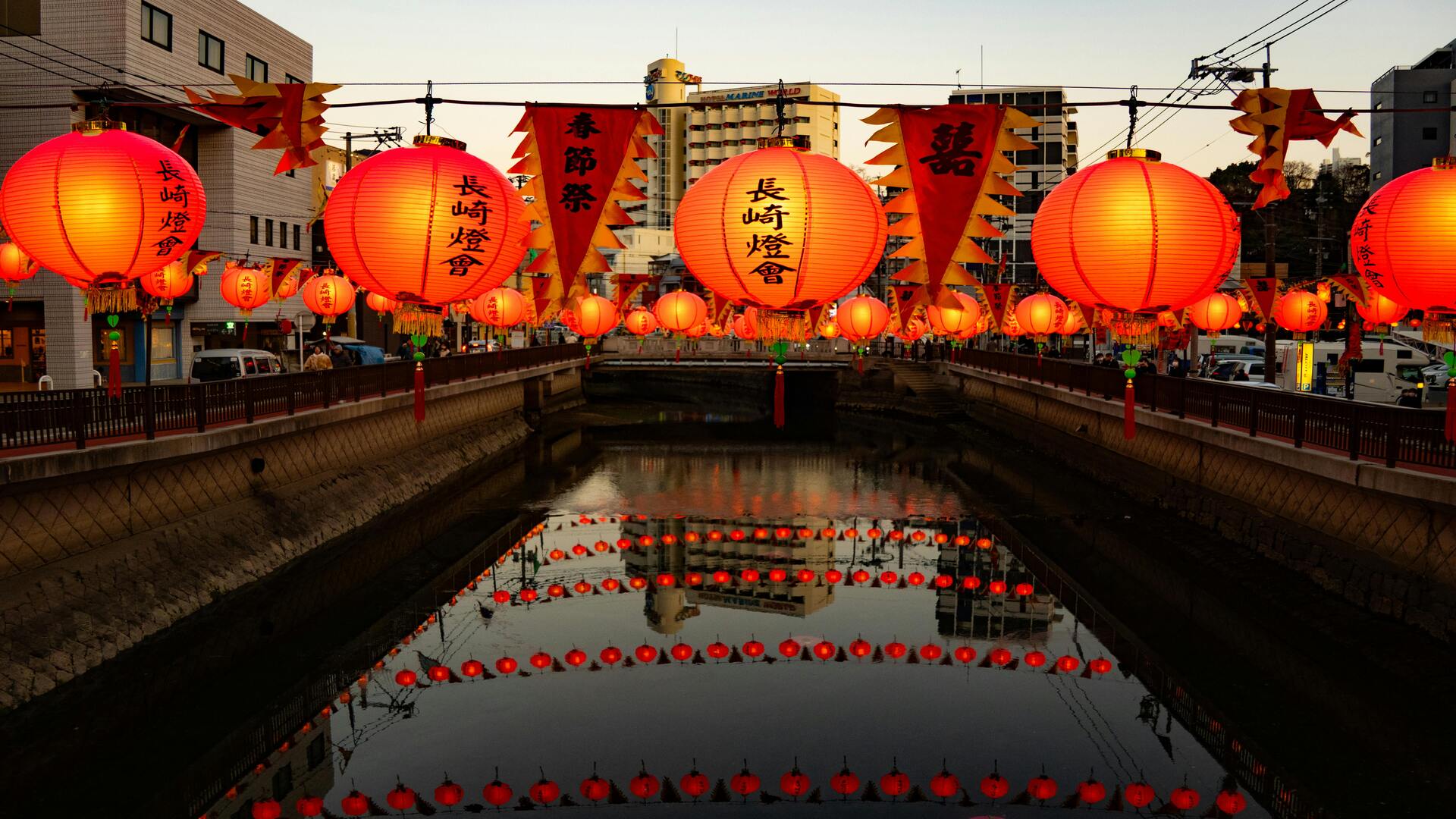
Introduction: Stepping Into a New World
Imagine landing in Tokyo for the first time. The neon lights, the polite bows, the quiet train rides, and the smell of freshly cooked ramen—it feels exciting, but also a little overwhelming. Many international students face this challenge when they begin their study abroad journey in Japan. The cultural differences can be fascinating, but adjusting to them requires patience, curiosity, and an open mind.
Why This Matters for International Students
Adjusting to cultural life is just as important as adapting to a new academic environment. In fact, how well you integrate into Japanese culture will directly influence your happiness, friendships, and overall student life. Japan is known for its rich traditions, respect-based society, and unique balance between old and modern lifestyles. Without some preparation, students may feel isolated or misunderstood. But with the right mindset, cultural differences can become one of the most rewarding parts of studying abroad.
Understanding Japanese Culture: Respect Comes First
The foundation of Japanese culture is respect—respect for people, traditions, and surroundings. From bowing when you greet someone to quietly following rules on public transport, politeness shapes everyday life. International students quickly notice how silence is valued on trains or how shoes must be removed before entering a home. These customs may feel unusual at first, but they reflect a deep cultural value of harmony and consideration for others.
A real-life example comes from Maria, a student from Spain, who shared how embarrassed she felt the first time she forgot to take off her shoes when entering her Japanese friend’s apartment. Instead of being upset, her friend explained the tradition warmly. Over time, Maria learned not only to follow the custom but also to appreciate the cleanliness and order it represented. Experiences like these teach students that mistakes are natural, and adaptation comes with practice.
Student Life in Japan: Blending Academics and Culture
Universities in Japan are academically rigorous but also emphasize community and social integration. Student clubs, known as “circles,” are an excellent way to build friendships and learn about Japanese culture firsthand. Whether it’s joining a tea ceremony circle, practicing martial arts, or being part of a music group, these communities help international students connect beyond classrooms.
Daily student life also has its unique rhythm. The cost of living in Tokyo or Kyoto may feel higher than in some countries, but Japan provides affordable options through student cafeterias, dormitories, and discount travel passes. Even grocery stores and convenience shops offer budget-friendly meals. Over time, students realize that adapting to the Japanese way of life means embracing both the academic challenges and the small joys of everyday living, such as enjoying cherry blossom season or participating in summer festivals.
Building Friendships and Overcoming Language Barriers
One of the biggest concerns for international students is language. While many universities in Japan offer programs in English, daily life often requires at least basic Japanese. A friendly “arigatou” (thank you) or “sumimasen” (excuse me) goes a long way in showing effort and respect. Many Japanese students are eager to practice English, so building friendships can become a cultural exchange that benefits both sides.
Take the example of Ahmed, a student from Egypt, who joined a language exchange café in Osaka. By practicing Japanese with local students while helping them with English, he not only improved his communication skills but also formed lifelong friendships. These small steps of learning and sharing make the adjustment process smoother and more enjoyable.
Embracing Traditions While Staying True to Yourself
Cultural adjustment doesn’t mean losing your identity. In fact, international students enrich Japanese campuses by sharing their own cultures. Festivals organized by universities often invite students to showcase food, music, and traditions from their home countries. This exchange builds mutual understanding and appreciation.
At the same time, students learn to respect traditions like bowing, gift-giving, or celebrating seasonal events such as Obon and New Year’s. Participating in these traditions helps students feel more connected, but it is equally important to balance adaptation with self-expression. In doing so, students create a unique blend of cultures that shapes their personal and academic growth.
Practical Tips for Adjusting to Life in Japan
Adjusting successfully requires both preparation and flexibility. Start by learning a few essential Japanese phrases before you arrive. Take advantage of university orientation programs that explain cultural norms and support services. Be open to joining student clubs or volunteering, as these provide authentic cultural experiences. Managing your budget wisely is also key; Japan can be expensive in major cities, but student discounts and part-time work opportunities make it manageable.
Most importantly, give yourself time. Culture shock is natural, but patience and a positive attitude will make the transition easier. Every mistake becomes a lesson and every small success—like ordering food in Japanese or navigating the train system—becomes a confidence boost.
Conclusion: Turning Challenges Into Opportunities
Living and studying in Japan is not only about earning a degree; it’s about growing as a person. Every challenge—from understanding social etiquette to managing language barriers—can be turned into an opportunity for personal development. With curiosity, respect, and a willingness to learn, international students can thrive in Japan’s unique cultural environment.
Call to Action
At Letstern, we guide students through every step of their study abroad journey. From cultural preparation and mock interviews to coaching and community support, we make sure you feel ready to succeed not just academically but also socially. Explore our resources today and take your first step toward an unforgettable experience in Japan.
Meta Description
Learn how to adjust to cultural life in Japan as an international student. Discover tips on student life, traditions, language, and adapting smoothly abroad.
Suggested Titles
1. How to Adjust to Cultural Life in Japan as a Student
2. Student Life in Japan: Tips for Adapting to Culture and Traditions
3. A Complete Guide to Adjusting to Japanese Culture for Study Abroad
4. Living in Japan as a Student: Culture, Challenges, and Opportunities
5. How International Students Can Thrive in Japan’s Cultural Life
Key Takeaways
1. Respect and politeness are central to Japanese culture embracing them eases adjustment.
2. Joining student clubs helps international students connect and learn faster.
3. Basic Japanese phrases improve daily communication and friendships.
4. Balancing traditions with self-expression enriches the study abroad experience.
5. Patience and positivity turn cultural challenges into personal growth opportunities.
Related articles
More from Living & Student Life and recent posts.

Student Housing in Italy: Practical Guide for International Students
Study abroad · Italy Student Housing in Italy: A Practical Guide for International Students One of the most exciting moments in your study abroad journey is…
Read article →
Food & Daily Life in the Middle East for International Students
IntroductionOne of the most exciting yet challenging parts of studying abroad is adapting to a new lifestyle. For international students in the Middle East, th…
Read article →
Cost of Living in Istanbul vs. Ankara: A Student’s Guide
IntroductionWhen students dream of studying in Turkey, two names often stand out: Istanbul, the country’s bustling cultural hub, and Ankara, the calm politic…
Read article →