

Introduction
Imagine arriving in a foreign country for the very first time. The airport feels like another world, the language being spoken around you is difficult to follow, and even simple tasks such as ordering food or taking a bus seem more complicated than they should be. This experience is common among international students who suddenly find themselves in an environment that feels unfamiliar and overwhelming. While cultural shock is real and often stressful, the truth is that adapting to a new culture can be done smoothly if you approach it with the right mindset. Instead of letting cultural differences intimidate you, they can become opportunities for learning, growth, and exciting new experiences.
Why Cultural Adaptation Matters for Students Abroad
Studying abroad is much more than just attending classes or completing assignments. It is about living in a completely new society, interacting with different people, and experiencing a lifestyle that may be very different from what you have always known. How well you adapt to the local culture directly affects the quality of your student life. When you feel comfortable with the customs, traditions, and social norms of your host country, you find it easier to make friends, manage your daily tasks, and perform better academically.
On the other hand, if you struggle to adapt, even small things can become sources of frustration. For example, some students in the United Kingdom feel confused when professors expect open participation in class discussions. In many cultures, students are used to listening quietly and only speaking when asked, but in the UK academic system, expressing your views is seen as a sign of engagement. Once international students understand this difference, they often gain confidence and enjoy classes much more. In short, cultural adaptation makes life abroad smoother and prevents feelings of loneliness, isolation, or homesickness.
Understanding Cultural Differences
The first step to adapting without stress is realizing that every culture has its own unique way of life, and there is no single “right” or “wrong” way of doing things. What feels natural to you at home may seem unusual in another country. For instance, punctuality is highly valued in Germany, where arriving even a few minutes late to a meeting may be considered disrespectful. In contrast, Mediterranean countries such as Spain or Italy are more relaxed about time, and being late is often socially acceptable. Similarly, public transport in Japan is quiet and orderly, while in the United States, people often chat casually even with strangers.
Recognizing these cultural variations does not mean you have to give up your own identity. It simply requires you to stay flexible and open-minded. The more you observe and accept these differences, the more comfortable you will feel in your new surroundings. Instead of resisting change, you start to see it as part of the adventure of studying abroad.
Staying Curious and Open-Minded
One of the most powerful strategies to adapt smoothly is to approach cultural differences with curiosity instead of judgment. If you constantly compare everything to your home country, you may feel frustrated or even negative. But if you ask yourself why people behave in certain ways, you begin to understand the values behind those behaviors. For example, a student in Canada was surprised when professors encouraged students to call them by their first names. At first, it seemed disrespectful because in her home country, professors were always addressed formally. However, after learning more, she discovered that this practice reflected Canada’s cultural value of equality and openness. With this understanding, what once felt uncomfortable soon became normal.
Learning the Local Language
Another way to ease cultural adaptation is by learning at least a little of the local language, even if your academic program is taught entirely in English. Simple greetings, polite phrases, and basic conversational words go a long way in helping you connect with locals. People usually appreciate when international students make the effort to communicate in their language, even if it is not perfect. For example, in France, students who start conversations with a polite “Bonjour” before asking for directions or assistance often find that locals respond more warmly. This small effort builds bridges of respect and helps you feel included rather than isolated.
Building Friendships across Cultures
While it is natural for international students to form close bonds with classmates from their own country, limiting yourself to this circle can make adaptation slower. Building friendships with people from other countries, especially locals, creates a stronger support network and gives you valuable insights into cultural practices. One student in Australia joined a local sports club and quickly found that the friendships he built there not only improved his social life but also helped him adjust to daily challenges such as finding part-time work and understanding local traditions. Friendships across cultures also prevent homesickness because you begin to feel truly connected to your new environment.
Balancing Familiarity with Exploration
Cultural adaptation does not mean forgetting your own roots. In fact, staying connected to your traditions can give you strength while abroad. Cooking familiar meals, celebrating your cultural festivals, and maintaining regular contact with family members back home can keep you emotionally grounded. At the same time, it is equally important to explore new experiences. Trying local foods, participating in national celebrations, or visiting cultural landmarks helps you gain a deeper appreciation for your host country. A student in the United States, for example, balanced her life by cooking traditional Pakistani meals every weekend but also joining her friends to try American dishes and attend Thanksgiving dinners. This balance made her feel both at home and open to the adventure of studying abroad.
Managing Stress and Staying Healthy
Adapting to a new culture can sometimes feel overwhelming, especially during the first few months. That is why it is important to take care of your mental and physical health. Establishing a daily routine, exercising regularly, and practicing mindfulness techniques such as journaling or meditation can significantly reduce stress. In the United Kingdom, many international students find that spending time in parks, walking through green spaces, or attending yoga classes helps them relax while also meeting new people. By maintaining healthy habits, you create stability in your life, which makes cultural adaptation much less stressful.
Conclusion
Adjusting to a new culture is not about losing your identity but about expanding it. Every new experience abroad allows you to see the world through a wider lens and understand people in a deeper way. Instead of resisting cultural differences, embrace them as opportunities to grow more confident, independent, and globally aware. With patience, curiosity, and a positive attitude, you can transform cultural shock into cultural learning and make your study abroad journey one of the most rewarding chapters of your life.
Call to Action
At Letstern, we understand that studying abroad is not only about academics but also about building confidence in a new cultural environment. That is why we provide resources such as mock interviews, career coaching, exclusive memberships, and a global student community to help you every step of the way. Join Letstern today and discover how we can support you in adapting to your new culture without stress and thriving in your international journey.
Meta Description: Learn how international students can adapt to new cultures without stress. Practical strategies, examples, and expert advice for a smooth study abroad journey.
Related articles
More from Living & Student Life and recent posts.
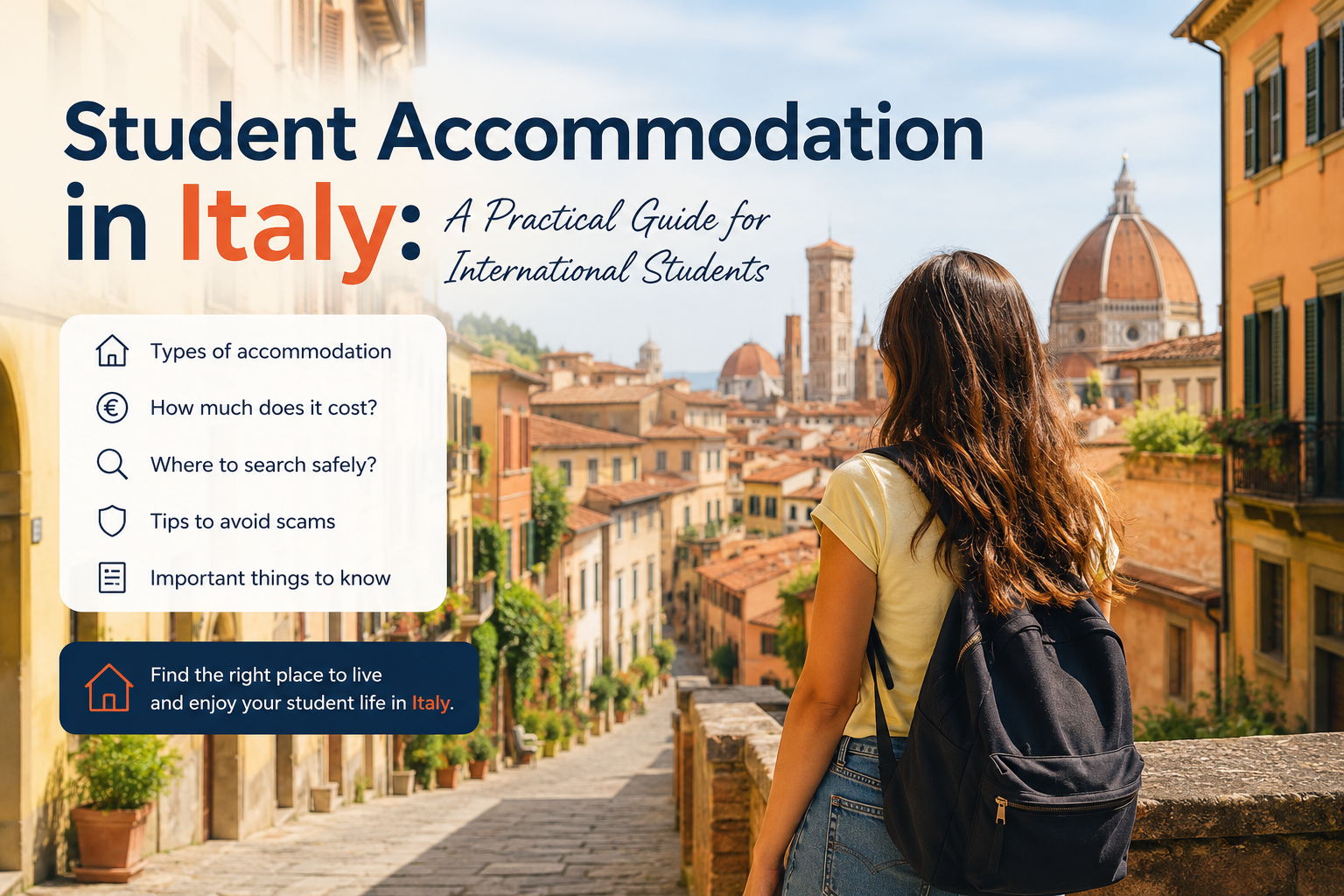
Student Housing in Italy: Practical Guide for International Students
Study abroad · Italy Student Housing in Italy: A Practical Guide for International Students One of the most exciting moments in your study abroad journey is…
Read article →
Food & Daily Life in the Middle East for International Students
IntroductionOne of the most exciting yet challenging parts of studying abroad is adapting to a new lifestyle. For international students in the Middle East, th…
Read article →
Cost of Living in Istanbul vs. Ankara: A Student’s Guide
IntroductionWhen students dream of studying in Turkey, two names often stand out: Istanbul, the country’s bustling cultural hub, and Ankara, the calm politic…
Read article →