
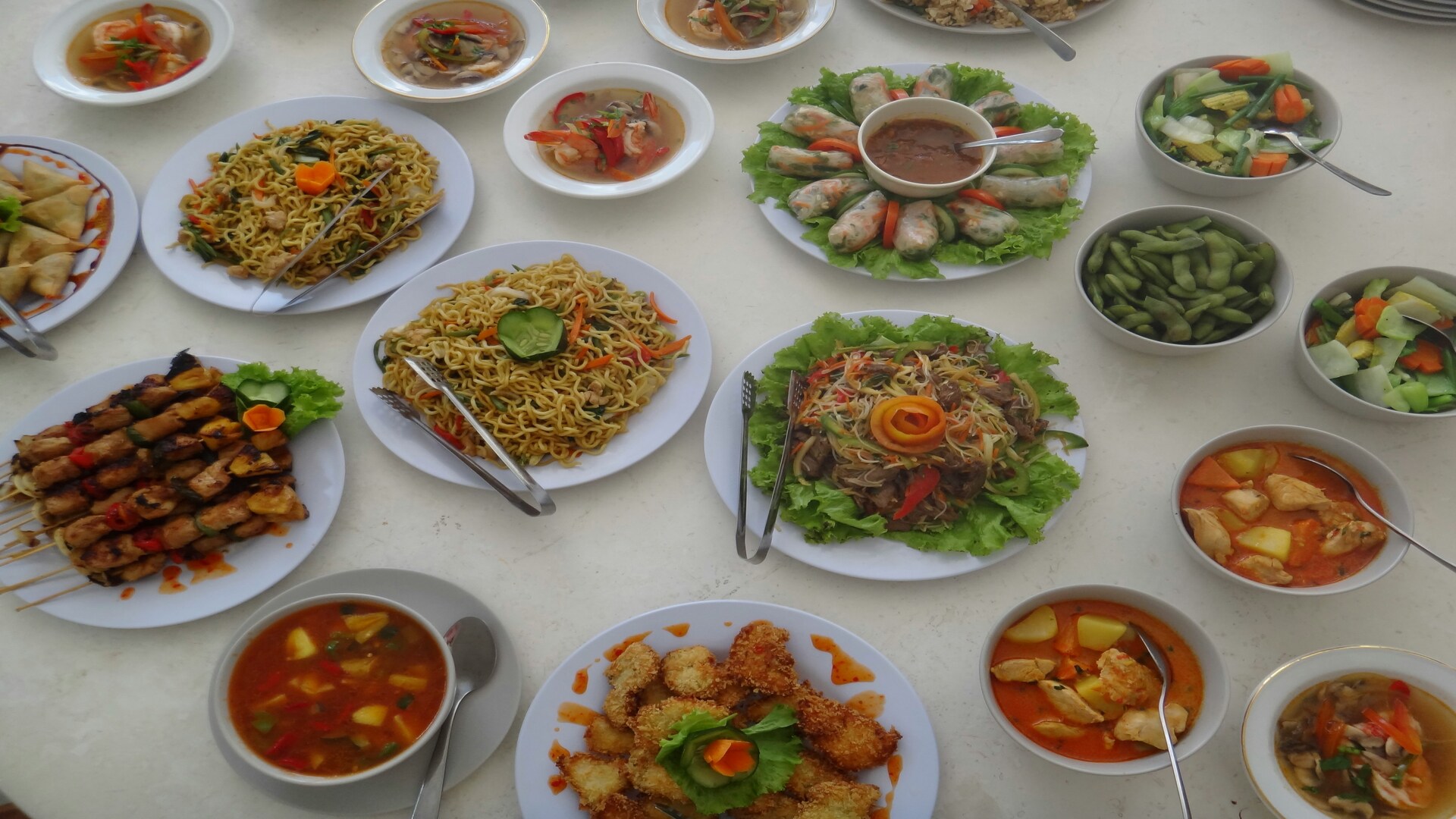
Food Culture in Korea: What Students Should Expect
Introduction
You’ve just landed in Seoul for your study abroad journey. You’re excited, but when it’s time for your first meal, you’re handed a steaming bowl of kimchi stew, surrounded by a dozen small side dishes you’ve never seen before. You look around, unsure how to eat, or even what some of the dishes are. This is a common moment for many international students in Korea. The food culture here is rich, communal, and deeply tied to tradition. Understanding it will not only help you survive but also enrich your student life in Korea?
Why Food Culture Matters for International Students
Food is more than just about filling your stomach—it’s about belonging, connecting with locals, and experiencing a new culture. For international students in Korea, adapting to the food culture can feel challenging at first. The ingredients, flavors, and dining customs might be very different from what you’re used to back home. Yet, food often becomes one of the most memorable parts of living abroad. Sharing a Korean barbecue with classmates, grabbing late-night tteokbokki from a street stall, or learning how to eat rice with metal chopsticks can all be part of your cultural adventure.
Everyday Korean Meals: What to Expect
In Korea, meals are often communal. Unlike the single-plate style many students are used to, Korean dining usually involves sharing several dishes placed in the middle of the table. The famous *banchan* (side dishes) include kimchi, pickled vegetables, or seasoned tofu, and they are refilled for free in most restaurants. Rice, soups, and stews are staples, and spicy flavors dominate much of the cuisine.
Breakfast might surprise you—it isn’t limited to bread or cereal but can include rice, soup, and kimchi. Lunch and dinner often feature hearty stews, noodles, or barbecue. Street food is another highlight of Korean student life. From hotteok (sweet pancakes) in winter to fish cakes and spicy rice cakes, food stalls are everywhere, offering cheap and tasty snacks perfect for students on a budget.
Dining Etiquette and Cultural Insights
Korean dining has its own set of rules and traditions. Meals are often enjoyed together, and sharing food is a way of building community. It’s common for the oldest person at the table to start eating first, and you’ll notice people pouring drinks for each other rather than serving themselves. Using metal chopsticks may take practice, and slurping noodles is considered acceptable even a sign of enjoyment.
At times, you may find the spice level overwhelming, but don’t worry—restaurants usually offer milder options, and international food is widely available in cities like Seoul and Busan. Still, showing a willingness to try local dishes will help you connect with classmates and make Korean friends.
Cost of Living and Student Budgets
Food in Korea can be both affordable and expensive depending on where and how you eat. University cafeterias provide filling meals at very low prices, often between 3,000–5,000 won (about 2–4 USD). Local restaurants also offer lunch specials that are budget-friendly. However, Western food and coffee shops can be pricey, and grocery shopping for imported goods may cost much more than expected. Students who want to balance their budget often mix cafeteria meals, street food, and occasional group dinners at barbecue restaurants. Cooking at home is possible, but since many dorms have limited kitchens, most students end up eating out more frequently than they might in their home countries.
Practical Tips for International Students
Adapting to Korean food culture takes patience and an open mind. Start by trying the basics bibimbap (mixed rice with vegetables), bulgogi (grilled marinated beef), and gimbap (rice rolls). Don’t be afraid to ask locals for recommendations or explanations about dishes. Learn a few food-related phrases in Korean, like “less spicy” (maeun geol jom julgeyo), which can save you from an unexpectedly fiery meal. If you have dietary restrictions, research in advance vegetarian and halal options are available in big cities, but they may be limited elsewhere. And most importantly, treat food not just as fuel but as an opportunity to build friendships and explore the culture.
Conclusion
Korean food culture might feel unfamiliar at first, but it quickly becomes one of the most enjoyable parts of studying abroad in Korea. From late-night ramen runs with friends to learning how to enjoy the many side dishes at a family-style restaurant, each meal is a chance to experience something new. By embracing the flavors, etiquette, and traditions, you will not only adapt more easily but also create lasting memories of your student life in Korea.
Call to Action
At Letstern, we’re here to guide you through every step of your study abroad journey—from understanding cultural differences to preparing for interviews and connecting with other students. Explore our coaching, community, and resources today, and make your international student life in Korea a smooth and exciting adventure.
Meta Description
Discover Korean food culture for international students. Learn what to expect, dining etiquette, costs, and tips to enjoy student life in Korea.
Suggested Titles
1. Food Culture in Korea: A Guide for International Students
2. What Students Should Expect from Korean Food Culture
3. Student Life in Korea: Understanding Meals, Etiquette, and Costs
4. Korean Cuisine 101: A Survival Guide for Study Abroad Students
5. From Kimchi to Barbecue: Food Experiences for Students in Korea
Key Takeaways
1. Korean meals are communal, with shared side dishes like kimchi.
2. Dining etiquette emphasizes respect, sharing, and cultural traditions.
3. Food costs vary, but student cafeterias and street food are budget-friendly.
4. Learning simple Korean phrases helps with food choices.
5. Embracing food culture enhances student life and friendships in Korea.
Related articles
More from Living & Student Life and recent posts.
Student Housing in Italy: Practical Guide for International Students
Study abroad · Italy Student Housing in Italy: A Practical Guide for International Students One of the most exciting moments in your study abroad journey is…
Read article →
Food & Daily Life in the Middle East for International Students
IntroductionOne of the most exciting yet challenging parts of studying abroad is adapting to a new lifestyle. For international students in the Middle East, th…
Read article →
Cost of Living in Istanbul vs. Ankara: A Student’s Guide
IntroductionWhen students dream of studying in Turkey, two names often stand out: Istanbul, the country’s bustling cultural hub, and Ankara, the calm politic…
Read article →