

Introduction
Imagine arriving in a new European city, suitcase in hand, excitement in your heart, and a hint of nervousness about what’s ahead. This is the reality for thousands of Erasmus exchange students each year. While the idea of studying abroad sounds glamorous, living in a different country comes with its own set of challenges and adventures. From finding accommodation to experiencing local culture and making new friends, Erasmus life is a journey that shapes both your academic and personal growth.
Why This Matters
Understanding Erasmus life is crucial for international students because it goes beyond academics. Your experience affects how quickly you adapt, how confident you feel in a new culture, and even your academic performance. Europe offers diverse cultural landscapes, affordable travel opportunities, and vibrant student communities. By learning about the realities of Erasmus life beforehand, you can prepare yourself for smoother adaptation, meaningful social connections, and memorable experiences.
1. Accommodation: Finding Your Home Away from Home
Securing the right living situation is the first step to feeling comfortable abroad. Erasmus students often choose between university dormitories, shared apartments, or private rentals. Dormitories provide a built-in social network and are generally budget-friendly. Shared apartments give more independence and the chance to live with locals or fellow international students.
Location matters too. Being close to campus or public transport saves time and money. Cities like Berlin, Amsterdam, and Barcelona have well-connected transit systems, making it easier to explore while attending classes. Start your search early, and don’t hesitate to ask your Erasmus coordinator or student network for trusted housing recommendations.
2. Academics: Balancing Studies and Adventure
While studying abroad, students must adjust to different academic systems. Some European universities focus on interactive learning and group projects, while others emphasize independent research. Attendance policies, grading systems, and classroom participation expectations may vary.
To succeed, stay organized. Use digital calendars for deadlines, join study groups, and seek guidance from local professors. Remember, Erasmus is not just about hitting the books; it’s also about learning life skills, cultural etiquette, and networking with international peers.
3. Social Life and Networking
One of the most exciting parts of Erasmus life is the social scene. Universities organize orientation events, cultural excursions, and parties to help students integrate. Student associations and clubs provide excellent opportunities to meet people from different countries.
Local culture plays a huge role in social interactions. For instance, in Spain, evening gatherings and late dinners are common, whereas in Germany, punctual meetups are expected. Embracing these differences enriches your social experience and helps you build lasting friendships.
4. Travel and Exploration
Being based in Europe makes weekend trips and short excursions highly accessible. Many Erasmus students take advantage of budget airlines, trains, and buses to explore neighboring countries. Cities like Paris, Prague, and Rome are often on the travel list.
Traveling also helps you understand regional cultures, cuisines, and lifestyles. While planning trips, balance your budget, and consider travel insurance for safety. Exploring locally is equally rewarding—visit museums, local markets, and historic sites to fully immerse yourself in your host city.
5. Practical Tips for Erasmus Students
Budget Wisely: Track expenses for accommodation, food, travel, and leisure. Apps like Split wise can help manage shared costs.
Learn Basic Local Phrases: Even a few words in the local language can make daily life easier and build goodwill with locals.
Stay Connected: Join Erasmus Facebook groups or university forums for advice, event notifications, and social connections.
Embrace Flexibility: Things may not always go as planned be open to new routines, friendships, and experiences.
Prioritize Self-Care: Moving abroad can be stressful. Make time for exercise, hobbies, and maintaining contact with family and friends.
Conclusion
Erasmus life is a blend of challenges, excitement, and unforgettable experiences. It encourages independence, adaptability, and cultural awareness, all while creating memories that last a lifetime. By preparing in advance, staying open-minded, and actively engaging with your new environment, you can make the most of your exchange journey and thrive academically, socially, and personally.
Call to Action
Ready to make your Erasmus experience smooth and fulfilling? Explore Letstern’s resources—mock interviews, coaching, memberships, and community forums to connect with students, get guidance, and thrive during your study abroad adventure.
Meta Description
Discover Erasmus life in Europe: a guide for exchange students covering accommodation, academics, social life, travel, and practical tips for a successful study abroad experience.
Suggested Blog Titles
1. Erasmus Life in Europe: A Student’s Complete Guide
2. How Exchange Students Thrive in European Universities
3. Study Abroad Tips: Navigating Erasmus Life in Europe
4. Erasmus Experience: Academics, Social Life, and Travel Insights
5. Living in Europe as an Erasmus Student: Tips and Insights
Key Takeaways
Choose accommodation wisely: dorms for social life, shared apartments for independence.
Adapt to local academic systems while balancing adventure.
Engage in social events and embrace cultural differences.
Explore Europe responsibly on weekends and during breaks.
Budget, learn local phrases, and prioritize self-care for a successful Erasmus journey.
Related articles
More from Living & Student Life and recent posts.
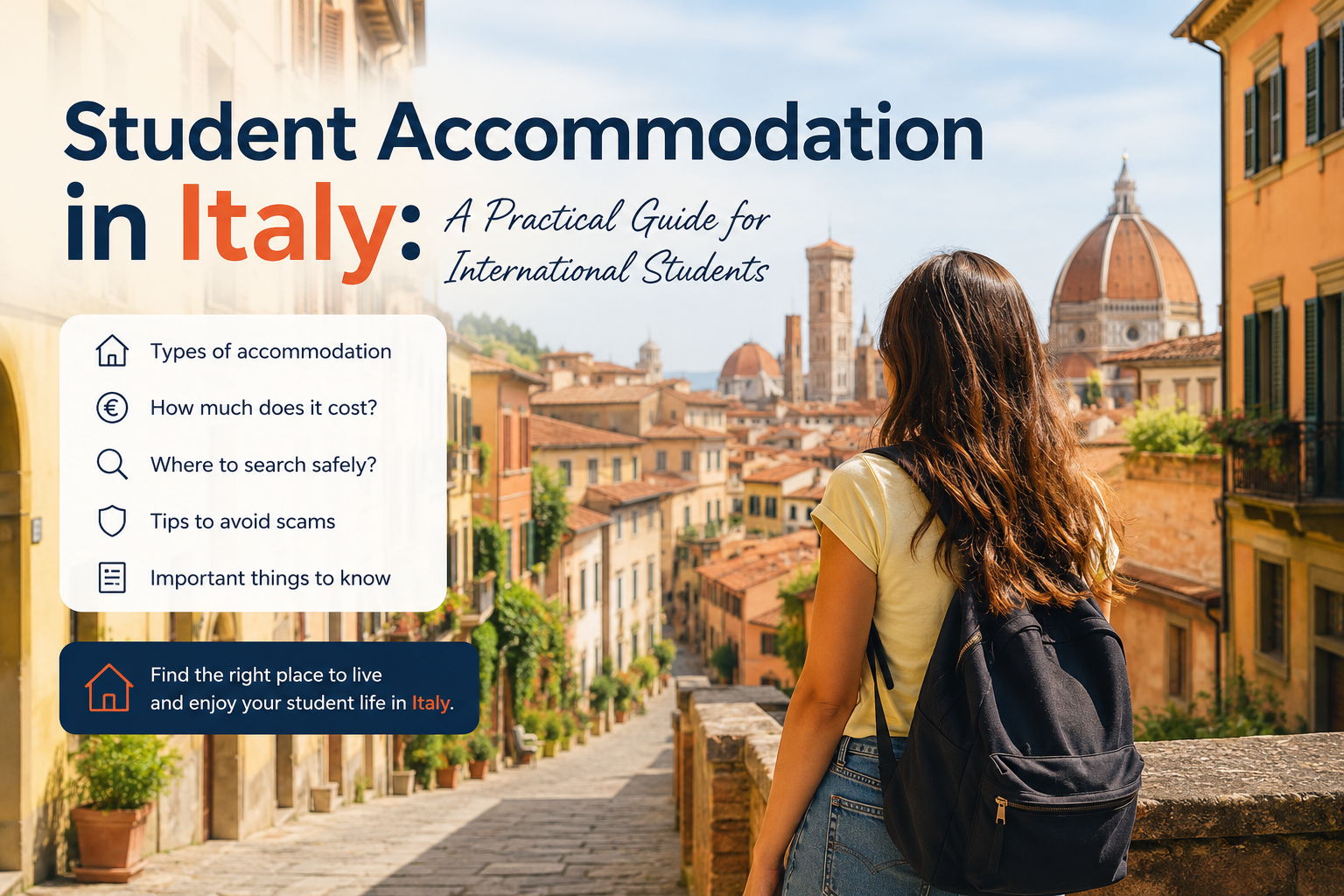
Student Housing in Italy: Practical Guide for International Students
Study abroad · Italy Student Housing in Italy: A Practical Guide for International Students One of the most exciting moments in your study abroad journey is…
Read article →
Food & Daily Life in the Middle East for International Students
IntroductionOne of the most exciting yet challenging parts of studying abroad is adapting to a new lifestyle. For international students in the Middle East, th…
Read article →
Cost of Living in Istanbul vs. Ankara: A Student’s Guide
IntroductionWhen students dream of studying in Turkey, two names often stand out: Istanbul, the country’s bustling cultural hub, and Ankara, the calm politic…
Read article →