

Introduction
One of the most common questions students ask before moving to London is, “Can I really afford to live there?” London has a reputation for being one of the most expensive cities in the world, but it is also one of the most exciting places to study abroad. With world-class universities, a vibrant cultural scene, and endless opportunities, London attracts thousands of international students every year. However, to enjoy the experience fully, it is important to understand the actual cost of living and how to manage it wisely. The truth is, living in London is not cheap, but with smart planning and budgeting, students can make it affordable while still enjoying the city’s charm.
Why This Matters
Knowing the cost of living in London is not just about calculating numbers; it is about preparing for a lifestyle. Every choice you make, from where you live to how you travel and what you eat, shapes your overall study abroad experience. Many students face financial stress because they underestimate how quickly expenses add up in a big city. Rent, food, transport, utilities, and even social activities can become overwhelming if you do not plan ahead. By understanding the details of London’s living costs, students can avoid unnecessary struggles, focus on their studies, and make the most out of their time in the UK.
Accommodation: The Biggest Expense
Accommodation is usually the largest part of a student’s budget in London. University halls of residence are a popular choice for first-year students because they are convenient and safe. The cost of these halls generally ranges between seven hundred to twelve hundred pounds per month, depending on the location and the facilities included. Private rentals are another option, but they are often more expensive in central London. A single room in a shared apartment in central areas can easily go above twelve hundred pounds, while renting in outer zones such as Stratford, Wimble, or Greenwich usually costs between six hundred to nine hundred pounds per month. Many students prefer living slightly outside the city center to reduce rent, especially since the underground and train networks make commuting fast and easy.
Food and Groceries: Cooking vs. Eating Out
Food expenses vary greatly depending on whether students cook at home or eat out frequently. On average, groceries from supermarkets such as Tesco, Lidl, or Aldi cost between one hundred and fifty to two hundred pounds per month for one student who prepares meals at home. Cooking not only saves money but also allows students to eat healthier. Eating out in London is fun and diverse, but it can quickly become expensive. A basic meal at an average restaurant costs around twelve to fifteen pounds, while fast food outlets or takeaways are slightly cheaper, usually between five and seven pounds per meal. Many students find a balance by cooking on weekdays and eating out occasionally as a treat. Cooking together with friends is also a popular way to save costs and enjoy international cuisines.
Transport: Getting Around the City
London’s public transport system is one of the best in the world, but it is also a significant part of a student’s monthly budget. A monthly travel card usually costs between one hundred and fifty to two hundred pounds, depending on the zones covered. However, international students can apply for a Student Oyster Card or use a 16–25 Rail card, which provides discounts of up to thirty percent. These student discounts make a big difference in long-term savings. Many students also choose cycling or walking, especially if they live close to their universities. London has cycle hire schemes where a short journey costs just a couple of pounds, and walking around the city is often the best way to enjoy its beauty without spending anything.
Other Living Expenses
Besides rent, food, and transport, there are other monthly costs to consider. Utilities such as electricity, heating, and water are usually included in student halls but not always in private rentals. If you rent privately, expect to spend between sixty to one hundred pounds each month on bills. Internet packages usually cost around twenty-five to forty pounds, while student-friendly mobile phone plans can be found for as little as ten pounds per month. Social life is also an important part of the student experience. Going to the cinema costs about twelve to fifteen pounds, but there are discounts available for students. Many museums in London, including the British Museum and the National Gallery, are completely free, which means students can enjoy world-class culture without spending anything.
Practical Ways to Save Money
The high cost of living in London does not mean students cannot manage comfortably. Cooking meals at home is one of the simplest ways to save money, especially when groceries are shared among flat mates. Student discounts are available almost everywhere, from restaurants and shops to transport and entertainment, so always carry your student ID card. Living slightly outside the central zones reduces rent significantly while still keeping you connected to the city through efficient transport. Budgeting apps such as Monzo and Revolute help many international students track their expenses and avoid overspending. Most importantly, London offers countless free experiences—parks, markets, cultural festivals, and museums—that allow students to enjoy the city without straining their finances.
Real-Life Example
To give you a clearer idea, let’s take the example of Ahmed, a student from Pakistan. He lives in Zone 3 in a shared flat, where his rent is around seven hundred pounds per month. He spends about one hundred and eighty pounds on groceries and around one hundred and fifty pounds on a discounted student Oyster Card. His utility and internet bills add up to about eighty pounds, and he keeps around one hundred and twenty pounds aside for personal and social activities. Altogether, Ahmed spends around twelve hundred and thirty pounds each month. While it may seem high, careful budgeting allows him to cover his expenses and still enjoy his time in London.
Conclusion
London is without a doubt one of the most expensive cities for international students, but it is also one of the most rewarding. The cost of living might be higher compared to other UK cities, but the opportunities, exposure, and experiences that London offers make it worth the investment. With proper planning, smart use of student discounts, and conscious spending habits, it is entirely possible to live comfortably on a student budget. London is not just a place to earn a degree; it is a place where students can grow, explore, and prepare for a global future.
Call to Action
At Letstern, we understand that planning your study abroad journey is about more than just tuition fees. That is why we provide complete guidance on living expenses, scholarships, interview preparation, and cultural adaptation. Whether you need career coaching, mock interviews, or access to a global student community, Letstern is here to help you succeed in every step of your study abroad journey.
Meta Description
Understand the real cost of living in London for international students. Learn about rent, food, transport, and smart budgeting tips to study abroad wisely.
Suggested Titles
1. Cost of Living in London for International Students: A Complete Guide
2. How Much Does It Cost to Live in London as a Student?
3. Living in London on a Student Budget: A Practical Guide
4. Student Life in London: Real Costs You Need to Know
5. Study Abroad in London: Budgeting Tips for International Students
Key Takeaways
International students should expect accommodation to be their largest expense. Cooking at home is the most effective way to save money on food. Student discounts on transport reduce costs significantly. Free cultural attractions like museums help students enjoy London without extra spending. Careful monthly budgeting makes London manageable for international students.
Related articles
More from Living & Student Life and recent posts.
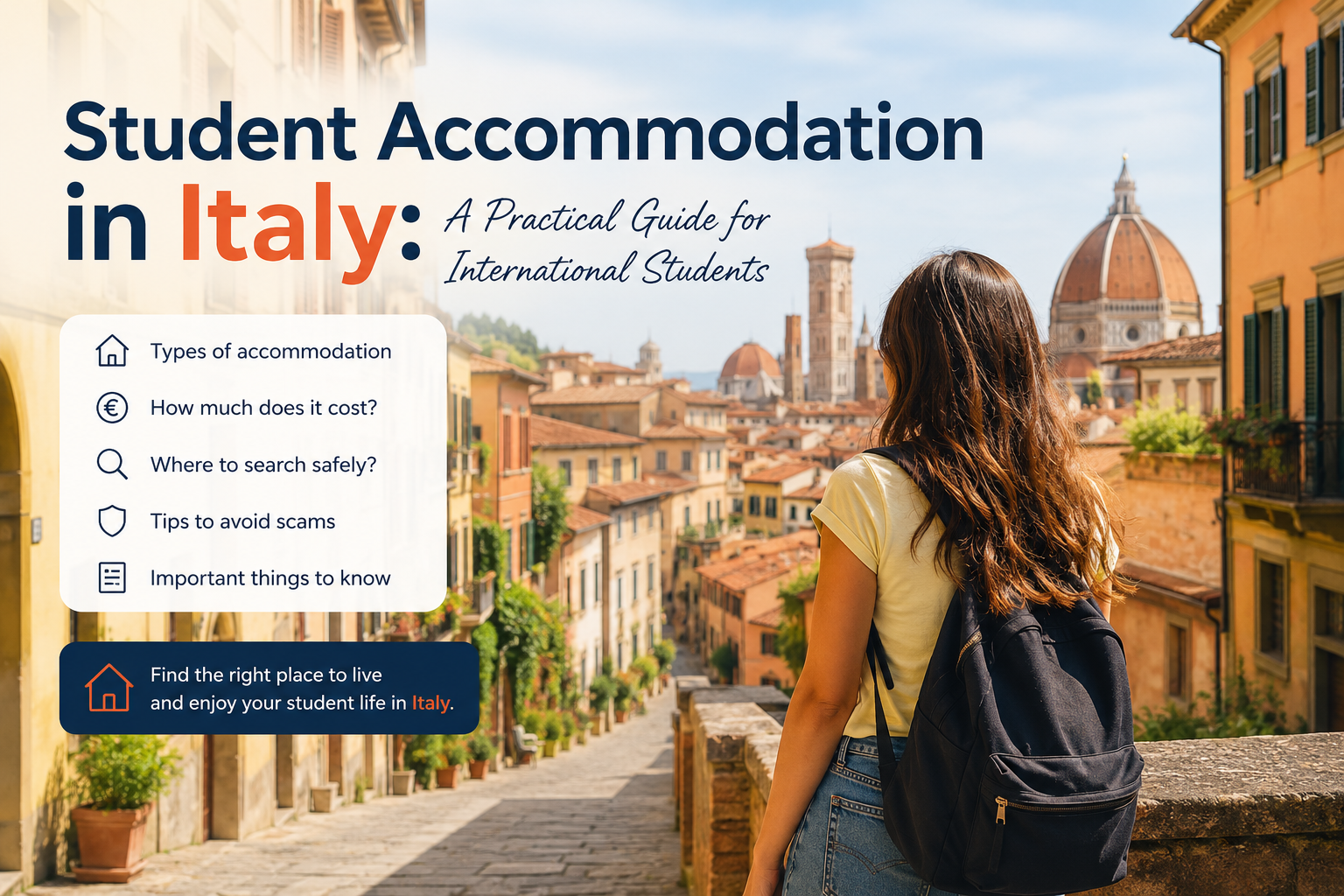
Student Housing in Italy: Practical Guide for International Students
Study abroad · Italy Student Housing in Italy: A Practical Guide for International Students One of the most exciting moments in your study abroad journey is…
Read article →
Food & Daily Life in the Middle East for International Students
IntroductionOne of the most exciting yet challenging parts of studying abroad is adapting to a new lifestyle. For international students in the Middle East, th…
Read article →
Cost of Living in Istanbul vs. Ankara: A Student’s Guide
IntroductionWhen students dream of studying in Turkey, two names often stand out: Istanbul, the country’s bustling cultural hub, and Ankara, the calm politic…
Read article →