
Introduction
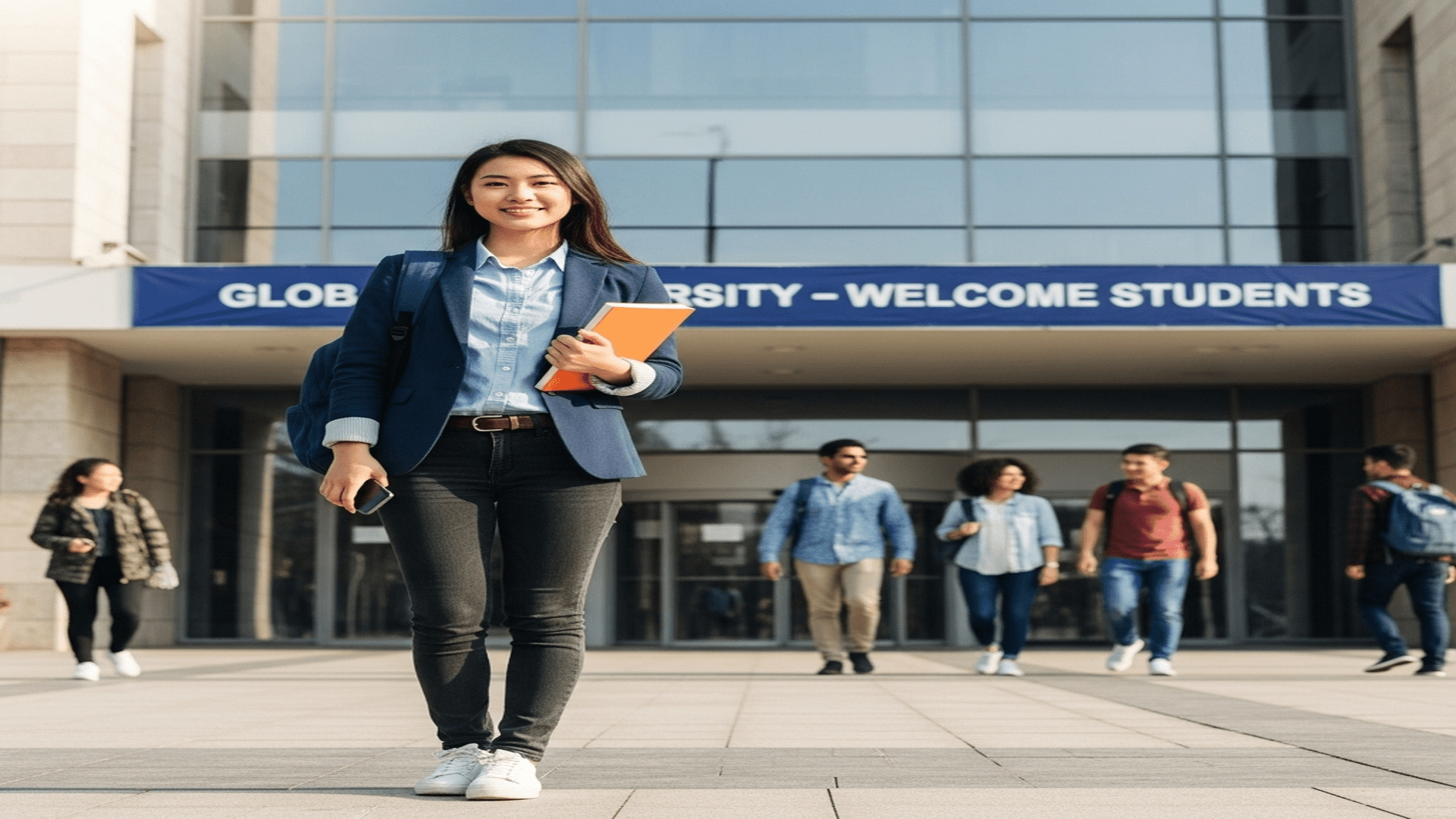
Stepping off the plane in a new country is a thrilling yet intimidating moment for any international student. The excitement of starting a new chapter is often mixed with nervousness, uncertainty, and self-doubt. Simple things like asking for directions, speaking in a new language, or introducing yourself to classmates can feel overwhelming. Many students struggle with confidence in their early days abroad, but the truth is that building confidence is not only possible, it is a journey that shapes your success and happiness during your study abroad experience.
Why Confidence Matters for Students Abroad
Confidence is the foundation of adaptation. When students feel confident, they are more likely to make friends, participate in class, and take advantage of opportunities around them. Living in another country involves navigating cultural differences, adjusting to new teaching styles, and even dealing with challenges like the cost of living or finding part-time work. Without confidence, these situations can feel like barriers. With confidence, however, they turn into opportunities to learn and grow. For students who dream of succeeding academically and socially, developing confidence becomes as important as mastering language skills or excelling in exams.
Facing the Challenges of a New Environment
Every student abroad faces a unique set of challenges. Some find the language barrier the hardest part, while others struggle with homesickness or the fear of making mistakes in front of new friends. In many cases, students also compare themselves with others and start feeling that they are not good enough. It is important to remember that these feelings are normal and shared by almost every international student. What separates those who thrive from those who struggle is not the absence of fear but the willingness to push through it? Building confidence starts with acknowledging that challenges are a part of the journey, not a sign of failure.
Small Steps toward Greater Confidence
Confidence does not appear overnight. It grows slowly through small actions and daily practice. Speaking up in class, joining a student club, or simply starting a conversation with a classmate may seem like small tasks, but they build a strong foundation. Every time you step out of your comfort zone, you train yourself to handle the next challenge with more ease. For example, an international student in Canada once shared how she started by greeting neighbors in her apartment building. Within weeks, she felt comfortable making friends in class and later gave a presentation with ease. Each small step created momentum toward bigger achievements.
The Role of Emotional Intelligence
Confidence is also closely connected to emotional intelligence, which means understanding and managing your own emotions while respecting the emotions of others. When you are emotionally aware, you are less likely to let fear or nervousness control you. Instead, you can stay calm during interviews, exams, or social gatherings. International students often discover that developing emotional intelligence helps them adapt to cultural differences, resolve misunderstandings, and feel more secure in their new surroundings. This balance of inner strength and social awareness is what truly builds lasting confidence.
Cultural Adaptation and Social Connections
One of the most powerful ways to build confidence abroad is to embrace the local culture and create social connections. Attending cultural events, joining campus activities, and interacting with local students not only enrich your experience but also help you feel that you belong. When students feel included and accepted, their confidence naturally grows. Moreover, by making friends from different backgrounds, you learn that mistakes in language or customs are not failures but valuable learning moments. Confidence flourishes in an environment where students allow themselves to be learners rather than perfectionists.
Academic Confidence and Career Preparation
For many students, confidence in academics and career preparation is just as important as social confidence. Participating in class discussions, asking questions, and seeking feedback from professors all contribute to a stronger academic presence. Similarly, preparing for job interviews or internships requires self-assurance. Students who believe in their abilities are more likely to secure opportunities and stand out in competitive environments. Building this kind of confidence often comes from practice, mentorship, and learning how to present yourself effectively.
Conclusion
Confidence is not something you are born with—it is something you build, step by step, through experiences and challenges. For international students, building confidence in a new country is the key to academic success, personal growth, and meaningful friendships. Every conversation you initiate, every class you participate in, and every challenge you face is a brick in the foundation of your confidence. The journey may feel slow, but with patience and persistence, you will look back and realize how far you have come.
Call to Action
At Letstern, we believe that confidence is the bridge between potential and achievement. Whether you need guidance with mock interviews, coaching, or connecting with a supportive student community, Letstern is here to walk with you on this journey. Explore our resources today and take the next step toward becoming the confident global citizen you are meant to be.
Meta Description
Discover how international students can build confidence while studying abroad. Learn practical strategies for success in academics, social life, and career growth.
Suggested Titles
1. Building Confidence as a Student in a New Country
2. How International Students Can Overcome Self-Doubt Abroad
3. From Nervous to Confident: A Student’s Guide to Thriving Abroad
4. The Confidence Journey: Succeeding as a Global Student
5. Building Self-Confidence for Success in Student Life Abroad
Key Takeaways
1. Confidence is the foundation of success for international students.
2. Small daily actions build lasting confidence over time.
3. Emotional intelligence helps students adapt to cultural challenges.
4. Social connections make students feel included and secure.
5. Confidence in academics and career preparation leads to global success.
Related articles
More from Living & Student Life and recent posts.
Student Housing in Italy: Practical Guide for International Students
Study abroad · Italy Student Housing in Italy: A Practical Guide for International Students One of the most exciting moments in your study abroad journey is…
Read article →
Food & Daily Life in the Middle East for International Students
IntroductionOne of the most exciting yet challenging parts of studying abroad is adapting to a new lifestyle. For international students in the Middle East, th…
Read article →
Cost of Living in Istanbul vs. Ankara: A Student’s Guide
IntroductionWhen students dream of studying in Turkey, two names often stand out: Istanbul, the country’s bustling cultural hub, and Ankara, the calm politic…
Read article →